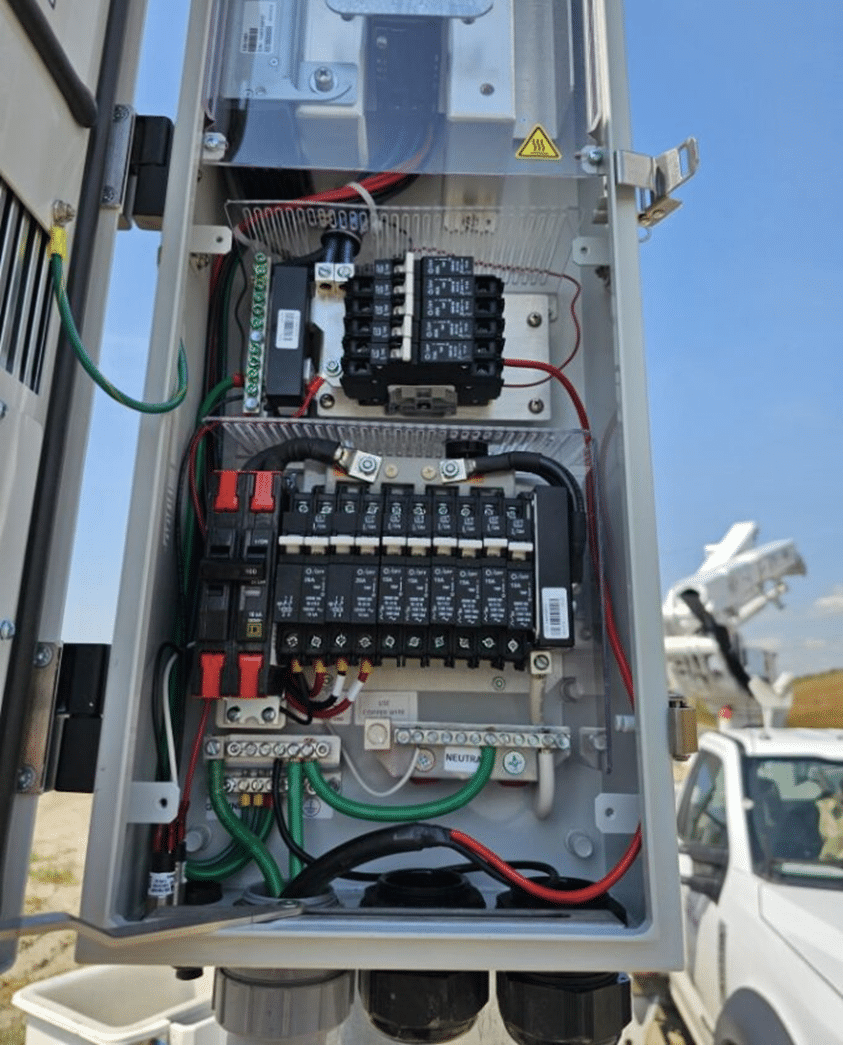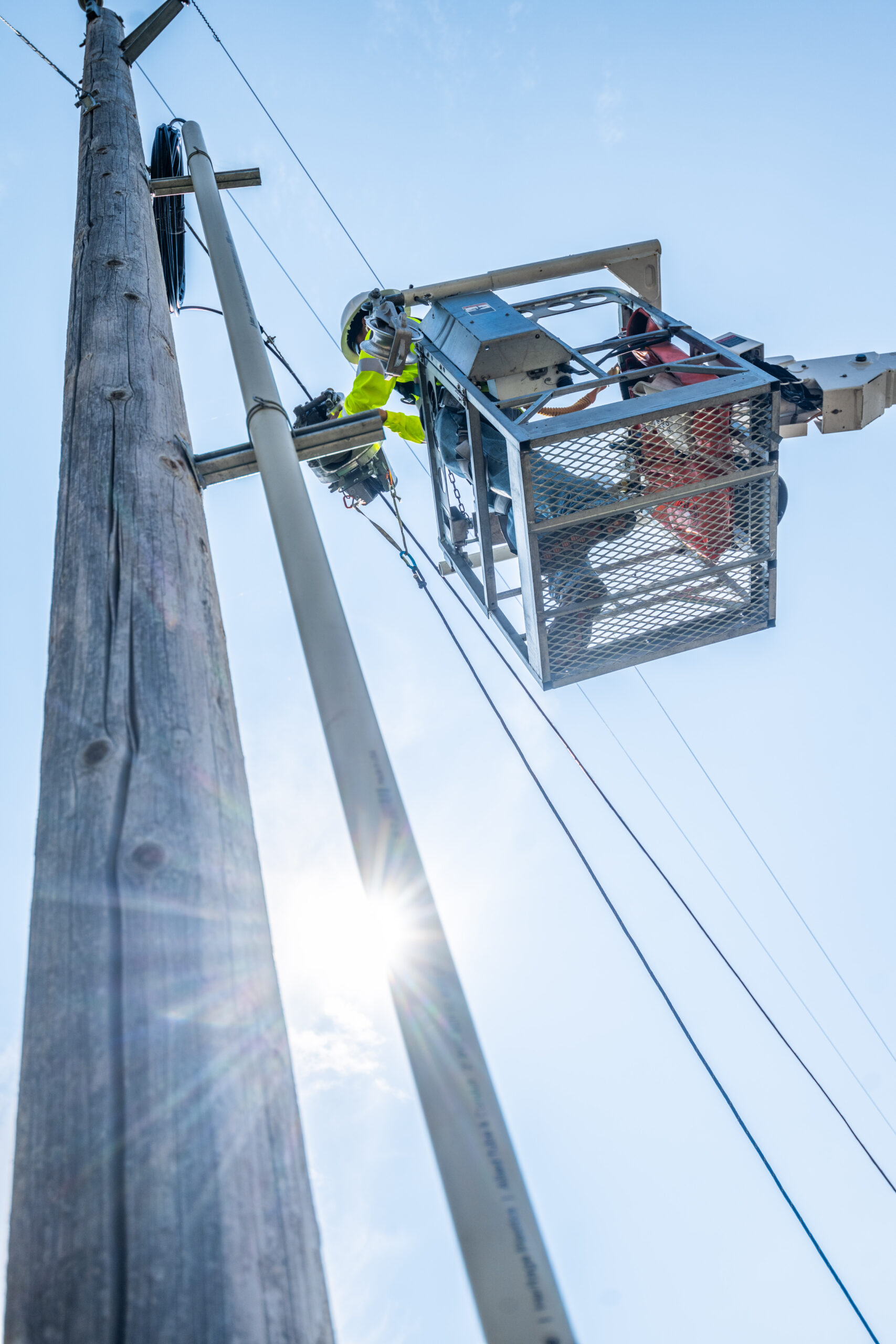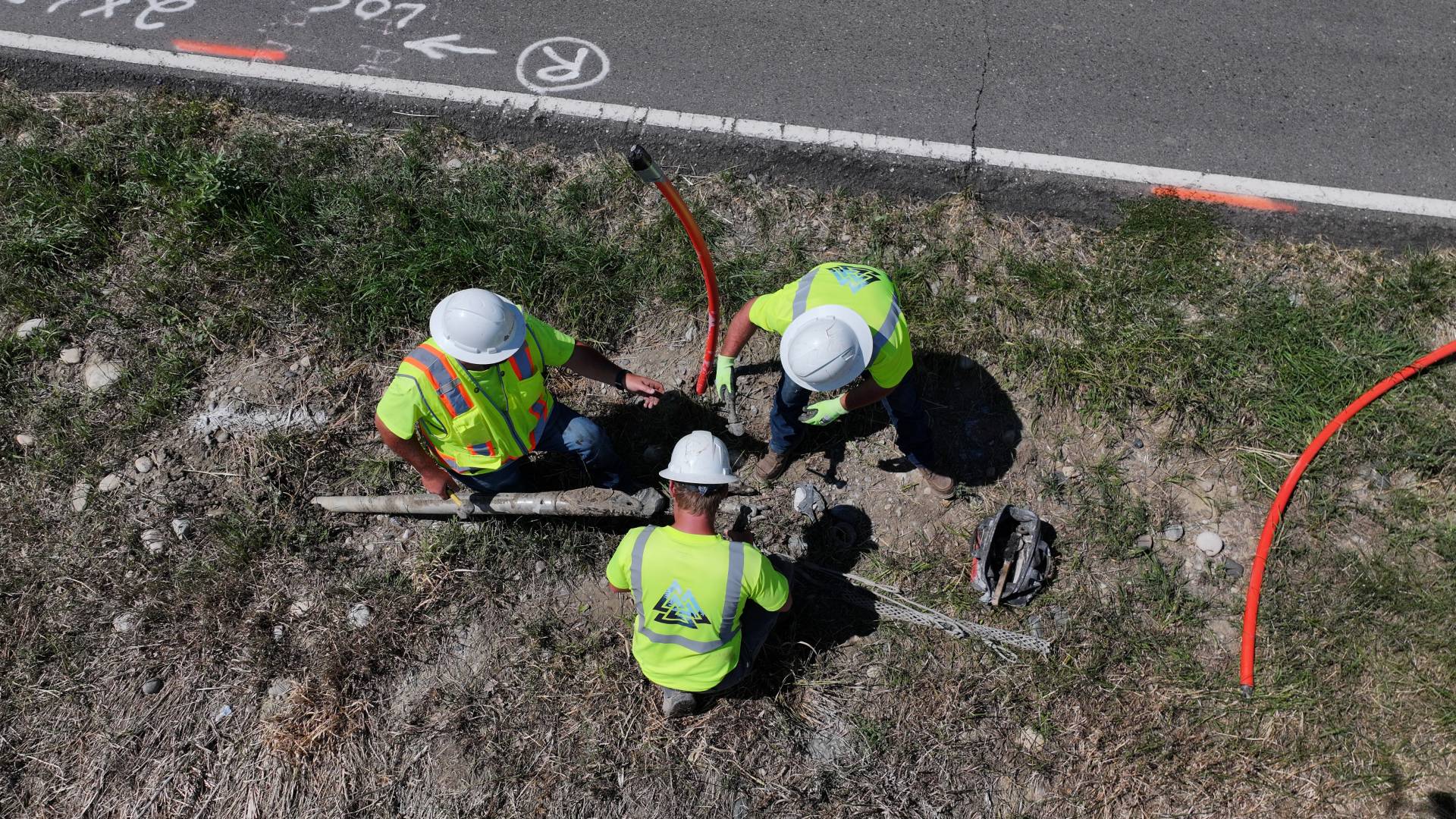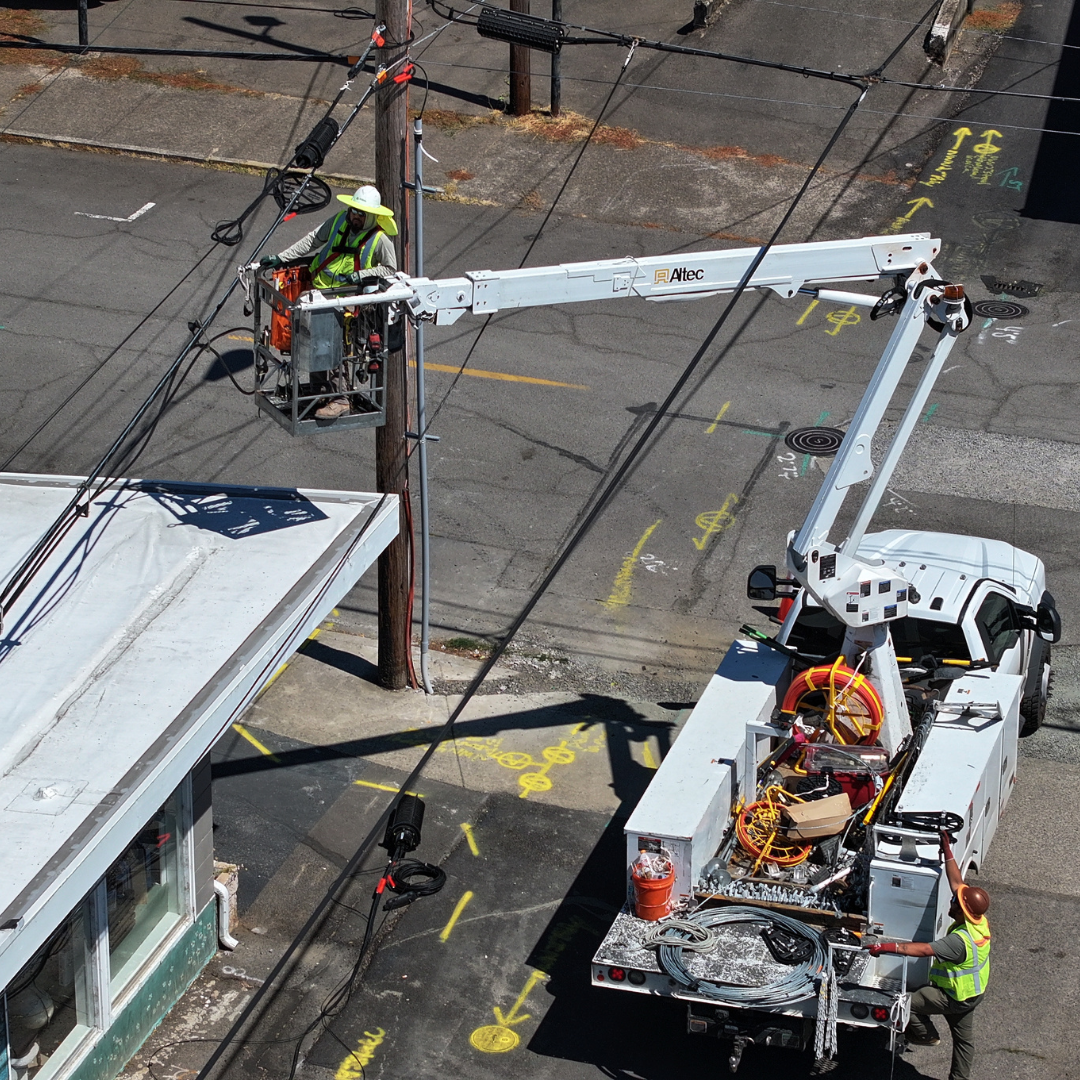
As telecommunications networks expand to support higher bandwidth demands, rural broadband initiatives, and emerging wireless technologies, the complexity of telecom infrastructure projects continues to grow. Engineering decisions made early in a project directly impact cost, constructability, timelines, and long-term network performance.
For telecom providers, municipalities, and private network owners, the design-build approach has become an increasingly effective way to deliver reliable, scalable infrastructure. By combining engineering and construction under a single, unified team, design-build streamlines project execution and reduces many of the risks associated with traditional delivery methods.
At Valhalla Industries, our telecom engineering services are structured to support this integrated model—bringing design expertise, field knowledge, and construction realities together from day one.
What Is a Design-Build Approach in Telecom Engineering?
In a design-build model, engineering, design, and construction are managed under one contract and one accountable team. Rather than separating engineering and construction into sequential phases handled by different firms, design-build integrates them into a coordinated process.
This approach is particularly effective in telecom engineering, where projects often involve:
- Outside plant (OSP) construction
- Long-haul and middle-mile fiber routes
- Wireless and wireline network deployment
- Permitting and right-of-way coordination
- Complex site conditions and evolving scopes
By aligning engineering decisions with construction realities early, design-build reduces friction between planning and execution.
Why Design-Build Works So Well for Telecom Projects?
Single Point of Accountability
One of the most significant advantages of design-build is clear responsibility. With a single team overseeing both engineering and construction, there is no ambiguity around ownership of decisions, timelines, or outcomes.
This eliminates the common issues seen in traditional models, where design teams and construction crews may interpret plans differently or shift responsibility when challenges arise. For telecom owners, this clarity simplifies communication and accelerates decision-making.
Faster Project Delivery Through Parallel Workflows
Telecom deployments are often time-sensitive—whether driven by funding deadlines, service expansion goals, or regulatory requirements. Design-build allows engineering and construction activities to overlap, rather than waiting for final plans before fieldwork begins.
Examples include:
- Initiating permitting while final route designs are refined
- Beginning site preparation as material specifications are finalized
- Coordinating fiber splicing plans alongside conduit installation
This concurrency can significantly shorten project timelines without sacrificing quality or compliance.
Improved Cost Control and Budget Accuracy
Early involvement from construction teams gives engineers access to real-world cost data, labor considerations, and material availability. This enables:
- Design-to-budget planning
- Value engineering before construction begins
- Fewer change orders during buildout
In telecom engineering, where route changes, permitting delays, or unexpected site conditions can quickly increase costs, this early alignment helps maintain financial predictability.
Practical, Buildable Engineering Designs
Design-build encourages constant collaboration between engineers and field teams. As a result, designs are not only technically sound but also constructable and efficient.
This is especially important for:
- Fiber route planning through congested or rural corridors
- Pole loading and structural calculations
- Underground conduit placement and directional drilling
- Wireless site layouts and equipment placement
Engineering decisions are informed by field conditions, reducing rework and ensuring smoother execution.
Reduced Project Risk
Many telecom project risks—schedule delays, redesigns, permitting issues—stem from disconnects between design intent and construction feasibility. Design-build reduces these risks by identifying challenges earlier in the process.
Integrated teams can proactively address:
- Constructability constraints
- Code compliance requirements
- Environmental or right-of-way limitations
- Long-term maintenance considerations
This early risk mitigation leads to more predictable outcomes and fewer surprises during construction.
How Design-Build Supports Modern Telecom Engineering?
Telecommunications engineering today extends far beyond drafting plans. It requires a holistic understanding of how networks are built, operated, and maintained.
In a design-build framework, telecom engineering services typically include:
- Site surveys and constructability analysis
- Route planning for fiber optic and conduit systems
- Materials selection and specification
- Code and regulatory compliance
- Construction plans, profiles, and as-builts
- Splicing documentation and cut sheets
- Structural analysis for poles and wireless assets
By integrating these services with construction expertise, design-build ensures the engineering process supports real-world deployment from start to finish.
When Design-Build Makes the Most Sense?
While not every project requires a design-build model, it is especially effective for:
- Large-scale fiber optic network deployments
- Long-haul and middle-mile infrastructure projects
- Projects with tight schedules or funding deadlines
- Builds spanning multiple jurisdictions or terrains
- Telecom providers seeking predictable costs and timelines
For these scenarios, design-build offers a balanced combination of speed, control, and quality.
Design-Build at Valhalla Industries
At Valhalla Industries, our engineering team works closely with construction, splicing, and project management professionals to deliver integrated telecom solutions. Our approach is grounded in field experience, regulatory awareness, and a commitment to building networks that perform long after installation.
By aligning engineering decisions with construction execution, we help clients reduce risk, control costs, and deploy infrastructure that supports long-term growth.
Frequently Asked Questions:
What is the difference between design-build and traditional telecom project delivery?
Traditional delivery separates design and construction into different contracts, while design-build integrates both under one team, improving coordination and accountability.
Does design-build reduce project timelines?
Yes. Overlapping engineering and construction phases allows work to progress concurrently, often shortening overall deployment schedules.
Is design-build more expensive than traditional methods?
Not typically. While upfront planning may be more involved, design-build often reduces total project costs by minimizing change orders and delays.
Does design-build limit owner control?
No. Owners often gain better visibility through a single point of contact and clearer communication throughout the project lifecycle.
What types of telecom projects benefit most from design-build?
Fiber optic networks, OSP construction, long-haul routes, and wireless infrastructure projects benefit most from the integrated approach.
Can design-build help with permitting and compliance?
Yes. Early coordination allows permitting, code compliance, and documentation to be addressed proactively rather than reactively.
Partner With Valhalla Industries
Successful telecom infrastructure starts with smart engineering and seamless execution. A design-build approach brings both together—reducing risk, improving efficiency, and delivering networks built for long-term performance.
If you’re planning a telecom project and want engineering and construction aligned from the start, Valhalla Industries is ready to help.
Contact Valhalla Industries today to learn how our design-build telecom engineering services can support your next network deployment.