
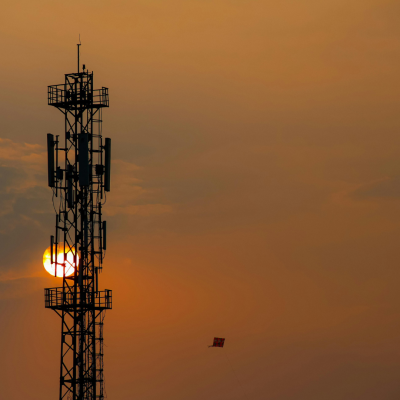
Long-haul fiber is network infrastructure that uses optical fiber to transmit large volumes of data over extended distances, often connecting cities, regions, and major communication hubs. Unlike local fiber systems, it is engineered to support reliable, high-capacity communication over hundreds of miles while maintaining signal quality throughout the network.
A long-haul network serves as the foundation for modern telecommunications by connecting data centers, internet providers, wireless carriers, and other critical facilities. Building this type of infrastructure requires detailed planning, precision fiber splicing, and ongoing testing to ensure dependable performance. Understanding how these networks are developed provides valuable context before selecting a contractor for a long-distance fiber project.
How Long-Haul Fiber Differs from Metro and Last-Mile Networks
The main distinction between these network types lies in the distance they cover and the purpose they serve. Metro fiber typically connects locations within a city or metropolitan area, while last-mile fiber delivers service directly to homes and businesses. In contrast, long-haul fiber refers to infrastructure designed to transport data over much greater distances while supporting significantly higher bandwidth requirements.
Long-distance communication also requires greater precision during installation. Every splice must minimize signal loss, as even small imperfections can reduce performance over extended cable runs. Careful workmanship and thorough testing are essential to maintaining reliable connectivity throughout the network.
The Key Steps in Building a Long-Haul Network
Every long-haul network begins with route planning. Project teams evaluate terrain, available rights-of-way, existing infrastructure, environmental considerations, and future expansion opportunities before construction begins. Careful planning helps improve installation efficiency while supporting long-term network reliability.
After the route is established, fiber optic cable is installed and prepared for precision fusion splicing. Each splice is completed using specialized equipment that aligns optical fibers with exceptional accuracy, creating continuous pathways for light transmission. Once installation is complete, testing verifies that each connection meets project specifications before the network is placed into service.
Why Signal Regeneration and the Fiber Backbone Matter
As transmission distances increase, optical signals naturally weaken. Signal regeneration or amplification points are strategically incorporated to maintain communication quality across the system. These locations help preserve signal strength while allowing data to travel efficiently between distant network endpoints.
The fiber backbone forms the primary transport route for network traffic. Because so many communication services depend on this infrastructure, every splice, connection, and test result contributes to the network’s overall reliability. Expanding the core network infrastructure also requires planning for future capacity, so additional bandwidth can be supported as communication demands continue to grow.
Choosing the Right Long-Haul Fiber Partner
Projects involving large-scale telecommunications infrastructure require experienced professionals who understand route coordination, precision splicing, testing procedures, and network performance standards. Many long-haul fiber companies provide installation services, but experience with long-distance infrastructure can make a significant difference in overall project quality.
When evaluating potential providers, it is important to consider their technical expertise, quality control practices, project management capabilities, and experience completing complex fiber optic infrastructure projects. Selecting a qualified contractor helps support long-term network performance and dependable connectivity.
Building Reliable Fiber Infrastructure for the Future
At Valhalla Industries, we provide specialized long-haul fiber splicing services that support reliable telecommunications infrastructure. Our team manages projects from route planning through precision fusion splicing, testing, and network optimization while helping customers build scalable fiber systems designed for long-term performance. We understand the importance of accurate workmanship at every stage of construction because reliable fiber infrastructure begins with quality installation and careful attention to detail.
Contact us today to discuss your long-haul fiber project with a team committed to precision, reliability, and lasting network performance.
Frequently Asked Questions
What is the difference between long-haul, metro, and last-mile fiber?
Long-haul fiber transports data over hundreds of miles between major hubs, metro fiber connects locations within a city, and last-mile fiber delivers service directly to homes and businesses.
Why is precision fiber splicing important for long-haul networks?
Even small imperfections in a splice can reduce signal quality over long distances, so precise workmanship and thorough testing are essential.
What role does signal regeneration play in long-haul fiber networks?
Signal regeneration points help maintain communication quality by strengthening optical signals as they weaken over extended distances.
How long does it take to build a long-haul fiber network?
Project timelines depend on distance, terrain, and permitting requirements, but careful route planning helps keep construction on schedule.
What should I look for in a long-haul fiber contractor?
Look for experience with route coordination, precision splicing, testing procedures, and large-scale infrastructure projects.
Does Valhalla Industries provide long-haul fiber splicing services?
Yes, Valhalla Industries manages long-haul fiber projects from route planning through precision splicing, testing, and network optimization.