
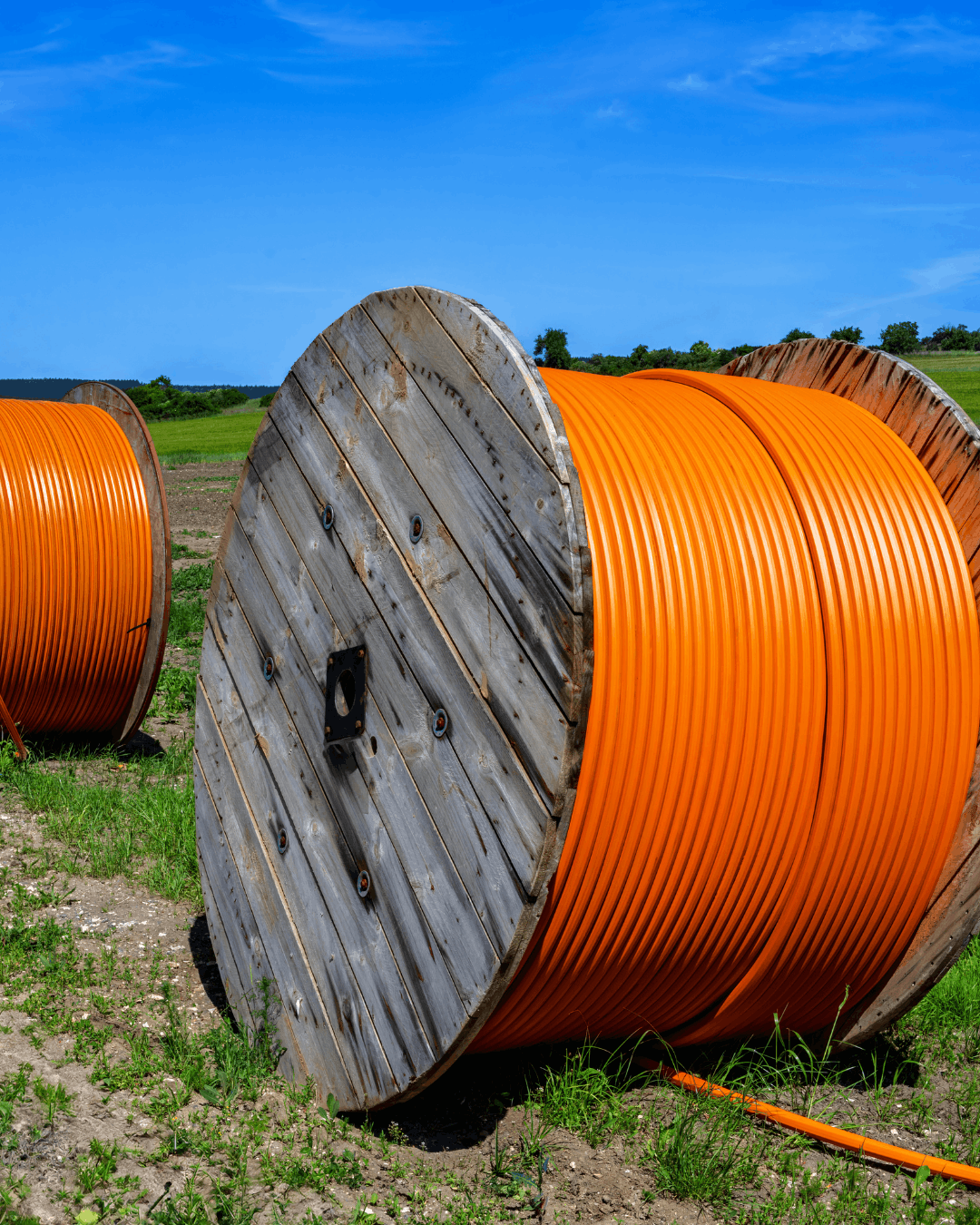
Long-haul fiber optic networks form the backbone of modern telecommunications, carrying massive volumes of data across hundreds or thousands of miles. But building and maintaining these networks is anything but simple. Fiber splicing at scale introduces a unique set of technical and logistical hurdles that can make or break a project’s performance. Understanding these challenges and the best practices for overcoming them is essential for any network operator, contractor, or infrastructure developer.
Key Challenges in Long-Haul Fiber Splicing
Environmental Conditions
Outdoor splicing exposes technicians and equipment to rain, wind, dust, and extreme temperature swings. Even minor contamination from the environment can degrade splice quality, leading to elevated signal loss and brittle connections that fail prematurely. Moisture is especially problematic in underground installations, where splice closures must seal perfectly to prevent long-term damage.
Cleanliness and Contamination Control
Dust particles, oils, and microscopic debris on bare fiber ends are among the most common causes of high insertion loss. In field environments far from a controlled workspace, maintaining the level of cleanliness required for quality splicing demands discipline and the right materials. A single contaminated fiber end can render an otherwise excellent splice unacceptable.
Confined Work Environments
Long-haul projects frequently require splicing in manholes, aerial buckets, or compact trailers. These tight spaces limit technician movement, make equipment setup more difficult, and increase the risk of accidentally damaging bare fibers. Performing high-precision work under these conditions requires both skill and well-organized workspaces.
Precision Alignment and Cleave Quality
Even a slightly imperfect cleave or minor core misalignment can produce splice loss that exceeds acceptable thresholds. Fusion splicing demands exacting standards: the fiber ends must be clean, the cleave must be perpendicular, and the cores must align with near-perfect accuracy. Any deviation compounds over the length of the network.
Logistics and Project Coordination
Long-haul fiber projects involve multi-stage installations across varied terrain, including aerial, underground, and direct-buried runs. Coordinating permits, materials, equipment, and crews across long distances requires careful planning. Delays in any one phase can cascade across the entire project timeline.
Best Practices for Successful Long-Haul Splicing
Rigorous Cleaning Protocols
Always clean fiber ends with lint-free wipes and isopropyl alcohol at 99% purity or higher. Equally important is regularly cleaning the V-grooves of the fusion splicer itself. Buildup in the splicer can contaminate fibers even after they’ve been cleaned, so this step should be part of every technician’s routine.
Use High-Quality Fusion Splicing Equipment
Modern fusion splicers equipped with automatic alignment, real-time feedback, and machine learning algorithms significantly reduce human error. These machines can compensate for environmental variables and produce consistently low-loss splices that manual techniques simply cannot match at scale.
Thorough OTDR Testing
Every splice should be verified with an Optical Time-Domain Reflectometer (OTDR). This instrument measures signal loss and reflection at each splice point, confirming that attenuation stays within acceptable limits. A visual inspection of the fiber end-face using a microscope adds another layer of quality assurance before splicing begins.
Environmental Protection Measures
Working inside a splicing trailer or similar shielded enclosure protects technicians and equipment from weather and contamination. After splicing, protective sleeves and sealed closures shield each splice point from moisture, temperature fluctuations, and physical stress.
Proper Cable and Splice Tray Management
Maintaining the correct bend radius, securing fibers carefully, and thoroughly documenting splice tray layouts prevents accidental damage and makes future repairs or expansions far easier. Good cable management is often the difference between a network that stays reliable for decades and one that requires constant intervention.
Certified and Trained Technicians
All personnel involved in fiber splicing should be trained on current handling techniques and certified in the equipment they use. As fusion splicer technology and testing methods evolve, ongoing training ensures that the team’s skills stay current with industry standards.
Frequently Asked Questions:
What is the difference between fusion splicing and mechanical splicing?
Fusion splicing uses an electric arc to permanently weld two fiber ends together, producing very low signal loss. Mechanical splicing uses a connector unit to align and hold the fiber ends in place without fusing them. Fusion splicing is preferred for long-haul applications because of its superior performance and durability, while mechanical splicing can be useful for temporary repairs or situations where fusion equipment is unavailable.
What causes high signal loss in fiber splices?
The most common causes are contaminated fiber ends, poor cleave quality, core misalignment, and environmental factors like moisture or physical stress on the splice. Proper cleaning, precision equipment, and protective enclosures address the majority of these issues.
What is OTDR testing, and why is it important?
OTDR (Optical Time-Domain Reflectometer) testing sends a light pulse down the fiber and analyzes how it reflects. This allows technicians to measure signal loss at each splice point, detect faults, and verify that the network meets performance specifications before it goes live.
How do environmental conditions affect long-haul fiber projects?
Wind, rain, temperature extremes, and dust can all compromise splice quality when proper precautions aren’t taken. Environmental protection in the form of splicing trailers, protective closures, and sealed splice trays is essential for outdoor and underground installations.
What happens if a splice fails in a long-haul network?
A failed or degraded splice can cause signal degradation or complete loss of connectivity across a network segment. Emergency restoration services allow trained crews to locate the fault via OTDR, access the splice point, and restore service with minimal downtime.
How long does a properly made fusion splice last?
A well-executed fusion splice, protected by an appropriate closure and sleeve, can last 20 to 30 years or longer under normal operating conditions. The key factors are splice quality, protective enclosure integrity, and avoiding excessive mechanical stress on the cable.
Partner with Valhalla Industries for Your Long-Haul Fiber Projects
Long-haul fiber splicing demands a level of precision, experience, and project management that only a seasoned team can deliver. At Valhalla Industries, we bring specialized expertise in fusion splicing, network expansion, and emergency fiber restoration to every project we take on. From route planning and permitting through final OTDR certification, we manage the details so your network performs at its best from day one.
Whether you’re expanding an existing backbone, responding to a fiber outage, or building new long-distance infrastructure, our team is ready to help.
Call us at 833.634.6766 or fill out our contact form to discuss your fiber splicing needs.
