In today’s fast-moving telecommunications industry, selecting the right engineering partner can determine whether your project moves forward efficiently—or gets stuck in costly delays. From permitting challenges to design accuracy and field execution, telecom engineering requires more than technical knowledge. It demands a partner with proven experience, strong planning capabilities, and a deep understanding of real-world construction environments.
At Valhalla Industries, we’ve seen firsthand how the right engineering approach can streamline projects, reduce risk, and support long-term network performance. Here’s what telecom providers and infrastructure teams should look for when choosing a telecom engineering partner.
Why the Right Engineering Partner Matters?
Telecommunications engineering is the foundation of every successful network build. Whether you’re deploying fiber optic infrastructure, expanding wireless coverage, or upgrading existing systems, the engineering phase directly impacts cost, timeline, and overall performance.
A qualified partner doesn’t just create drawings—they ensure your project is buildable, compliant, and optimized for future scalability. Without this level of expertise, projects can face redesigns, permit rejections, or delays that impact revenue and customer experience.
1. Permitting Expertise: The Key to Keeping Projects Moving
Permitting is one of the most common bottlenecks in telecom construction. Each jurisdiction has its own requirements, timelines, and approval processes, which can vary significantly across cities, counties, and states.
A strong telecom engineering partner should provide:
Local & Regional Knowledge
Understanding jurisdiction-specific requirements—such as zoning laws, right-of-way (ROW) access, and utility coordination—is essential. Experienced teams know how to navigate these variations efficiently.
Accurate, Compliant Documentation
Permit applications often require detailed construction plans, structural calculations, and engineered drawings. Errors or incomplete submissions can lead to rejections and delays. A qualified partner ensures all documentation meets regulatory standards the first time.
Permit Coordination & Expediting
An experienced engineering team can help identify potential delays early, prioritize high-risk areas, and coordinate submissions to keep projects on schedule.
Complex Scenario Management
Projects involving rail crossings, wetlands, or high-traffic corridors require additional planning and approvals. A knowledgeable partner anticipates these challenges and integrates solutions into the design phase.
2. Strategic Planning: Building for Today and the Future
Effective telecom engineering goes beyond immediate project needs. It involves planning infrastructure that can adapt to future demand, new technologies, and network expansion.
Route Planning & Constructability
A reliable partner evaluates terrain, existing utilities, and environmental constraints to determine the most efficient and cost-effective routes for fiber optic cable installation or wireless infrastructure.
Site Feasibility & Risk Assessment
Pre-construction analysis helps identify potential obstacles—such as soil conditions, congestion, or access limitations—before they impact timelines.
Design-to-Budget Approach
Early collaboration between engineering and construction teams ensures that designs align with real-world costs, reducing the risk of budget overruns.
Future-Proof Network Design
Telecommunications infrastructure must support evolving technologies like 5G, IoT, and increased bandwidth demand. A forward-thinking engineering partner incorporates scalability into every design.
3. Practical Field Experience: Engineering That Works in the Real World
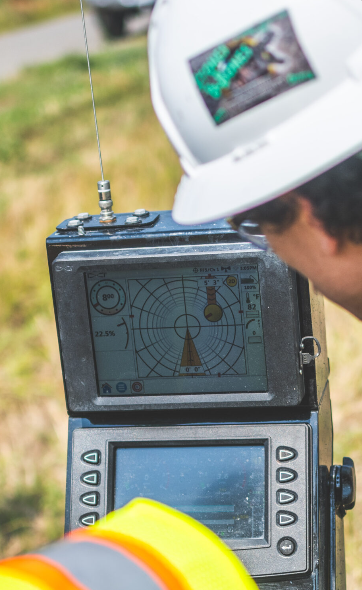
One of the most overlooked factors when selecting a telecom engineering partner is hands-on field experience. Designs that look good on paper don’t always translate to efficient construction in the field.
Integration with Construction Teams
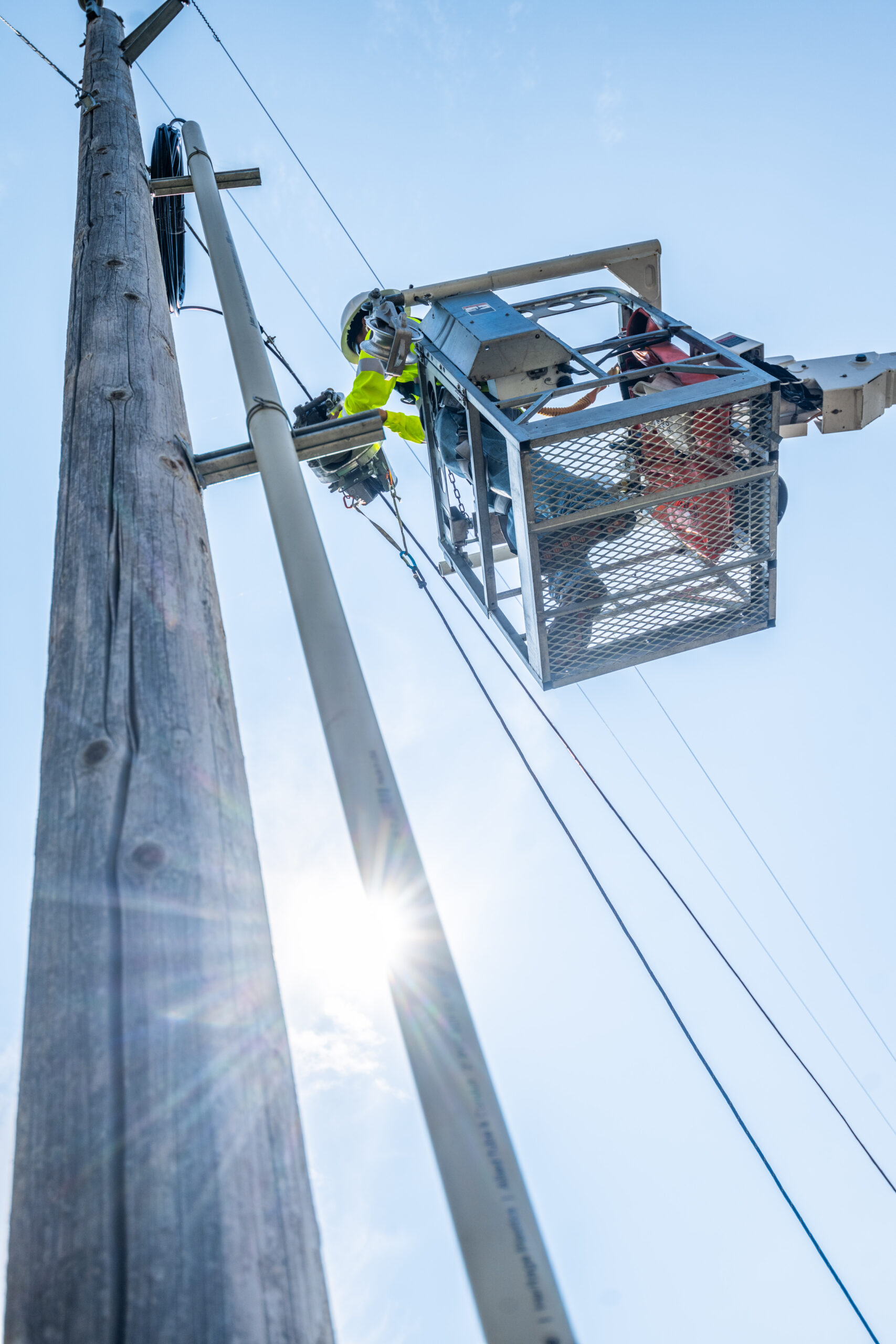
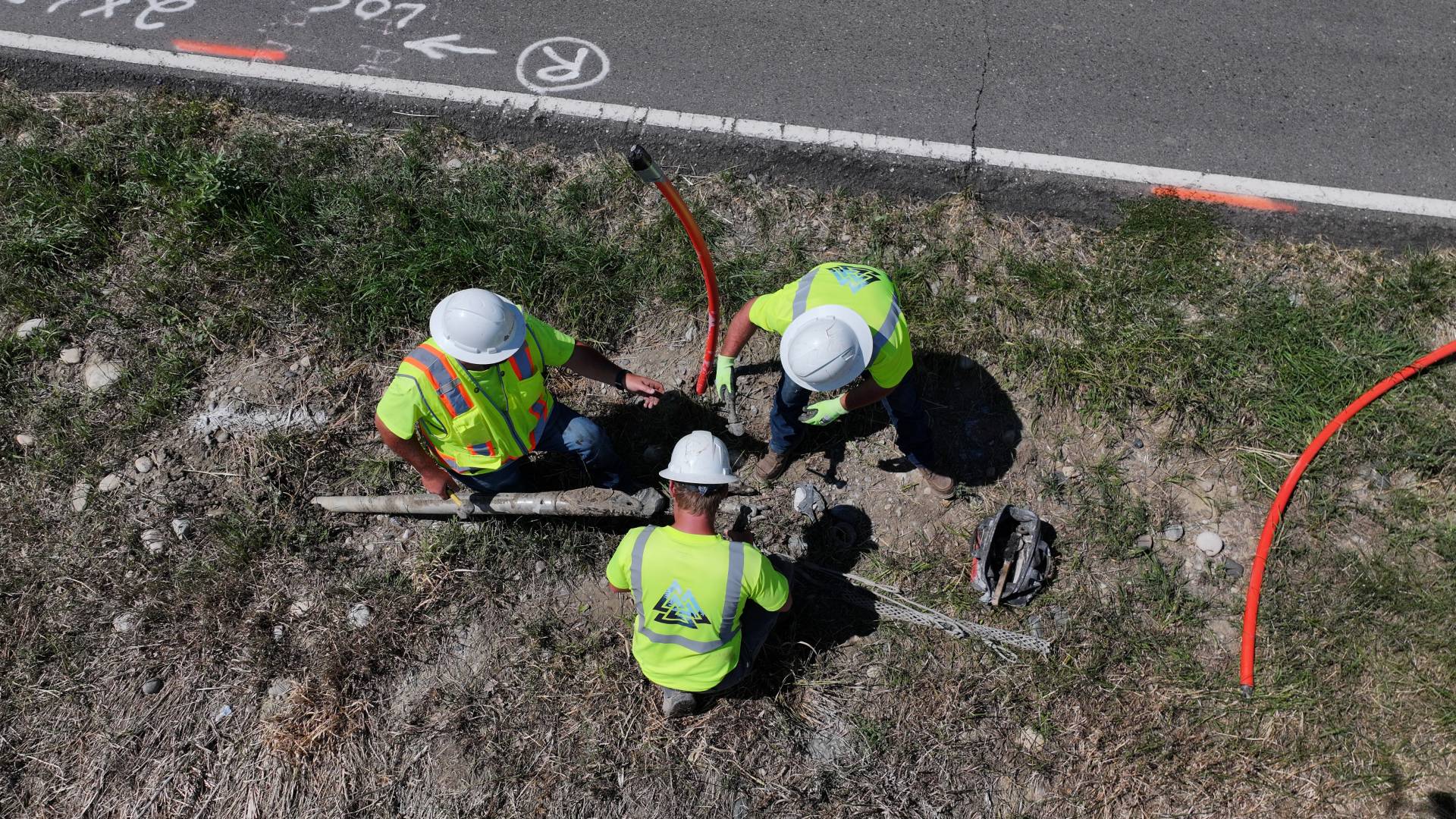
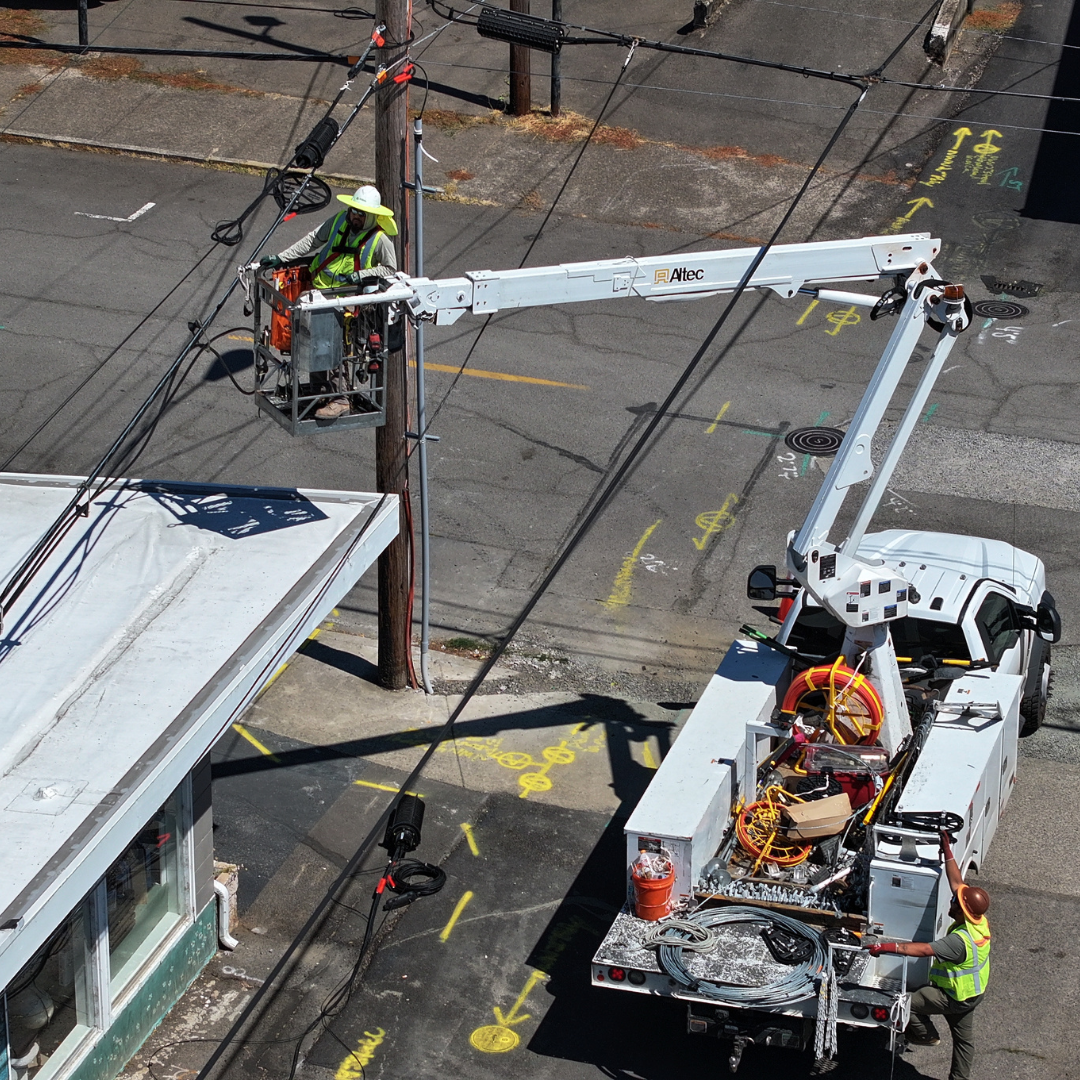
Engineering should align with how crews actually build networks. Partners with construction experience understand equipment limitations, installation methods, and field conditions.
Multi-Disciplinary Expertise
The best telecom engineering teams include specialists across multiple disciplines, such as:
- Civil engineering for trenching and conduit placement
- Electrical engineering for power and system integration
- RF engineering for wireless network performance
- Fiber engineering for splicing, routing, and signal integrity
Proven Project Experience
A strong track record across similar projects—whether long-haul fiber, OSP construction, or wireless deployments—demonstrates reliability and capability.
Quality Assurance & Standards
Engineering partners should follow established telecommunications industry standards and maintain strict quality control throughout the design process.
4. Technology & Tools That Improve Efficiency
Modern telecom engineering relies on advanced tools to improve accuracy, visibility, and project management.
Look for partners that utilize:
- GIS mapping and route analysis tools
- AutoCAD and engineering design software
- Permit tracking systems for real-time updates
- Data-driven analytics to identify risks and optimize performance
These tools not only improve design accuracy but also help teams stay aligned throughout the project lifecycle.
5. Communication, Accountability & Project Management
Telecom projects involve multiple stakeholders—service providers, municipalities, contractors, and engineers. Clear communication and accountability are essential for success.
A reliable partner should offer:
- A dedicated project manager as a single point of contact
- Transparent timelines and deliverables
- Ongoing updates throughout the engineering process
- Coordination with construction teams for seamless execution
This level of organization helps prevent miscommunication and keeps projects moving forward efficiently.
Why Valhalla Industries Is a Trusted Telecom Engineering Partner?
At Valhalla Industries, our engineering services are built around real-world performance, not just theoretical design. We combine technical expertise with field experience to deliver infrastructure that works—from planning through construction.
Our approach includes:
- Comprehensive site surveys and constructability analysis
- Efficient route planning for fiber optic and wireless networks
- Code-compliant engineering and permitting support
- Seamless integration with construction teams
- Nationwide experience with local regulatory knowledge
We understand the challenges telecom providers face and design solutions that reduce risk, improve timelines, and support long-term network performance.
Partner with Valhalla Industries
Choosing the right telecom engineering partner is one of the most important decisions you’ll make for your project. With the right expertise in permitting, planning, and practical execution, your network can be delivered faster, more efficiently, and with fewer complications.
Contact Valhalla Industries today to learn how our telecommunications engineering services can support your next project—from initial design to successful deployment.
Frequently Asked Questions:
What does a telecom engineering partner do?
A telecom engineering partner designs, plans, and supports the deployment of telecommunications infrastructure, including fiber optic networks, wireless systems, and outside plant construction.
Why is permitting so important in telecom projects?
Permitting ensures compliance with local, state, and federal regulations. Delays or errors in permitting can significantly impact project timelines and costs.
How does engineering impact construction timelines?
Accurate engineering reduces rework, prevents delays, and ensures construction teams can execute efficiently without unexpected issues.
What qualifications should a telecom engineering partner have?
Look for experience in telecommunications projects, knowledge of regulatory requirements, multi-disciplinary expertise, and a proven track record of successful deployments.
Can engineering and construction be integrated?
Yes. Integrating engineering and construction improves communication, reduces risk, and helps ensure designs are practical and buildable in real-world conditions.