Choosing the right installation method for your broadband infrastructure is one of the most critical early decisions in any OSP construction project. Whether you’re planning a new long-haul network or expanding middle-mile or last-mile connectivity, you’ll typically face two primary options: aerial fiber optic cable installation or underground deployment.
Each method comes with its own benefits and limitations, and your decision can impact not just the project budget and timeline, but also long-term performance and maintenance costs. At Valhalla Industries, we specialize in both aerial and underground fiber installations and can help you evaluate what’s best for your environment and goals.
Aerial Fiber Optic Cable Installation
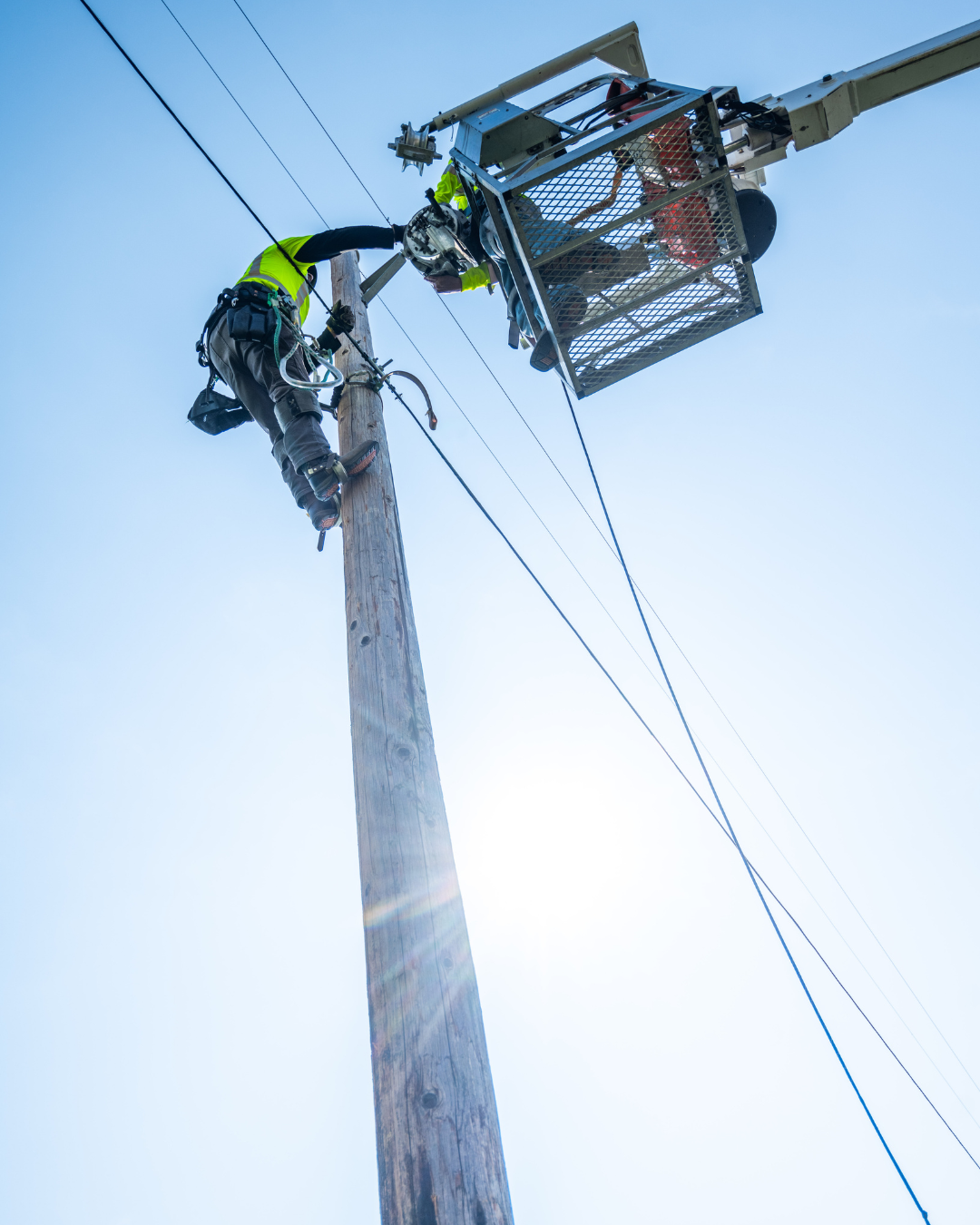
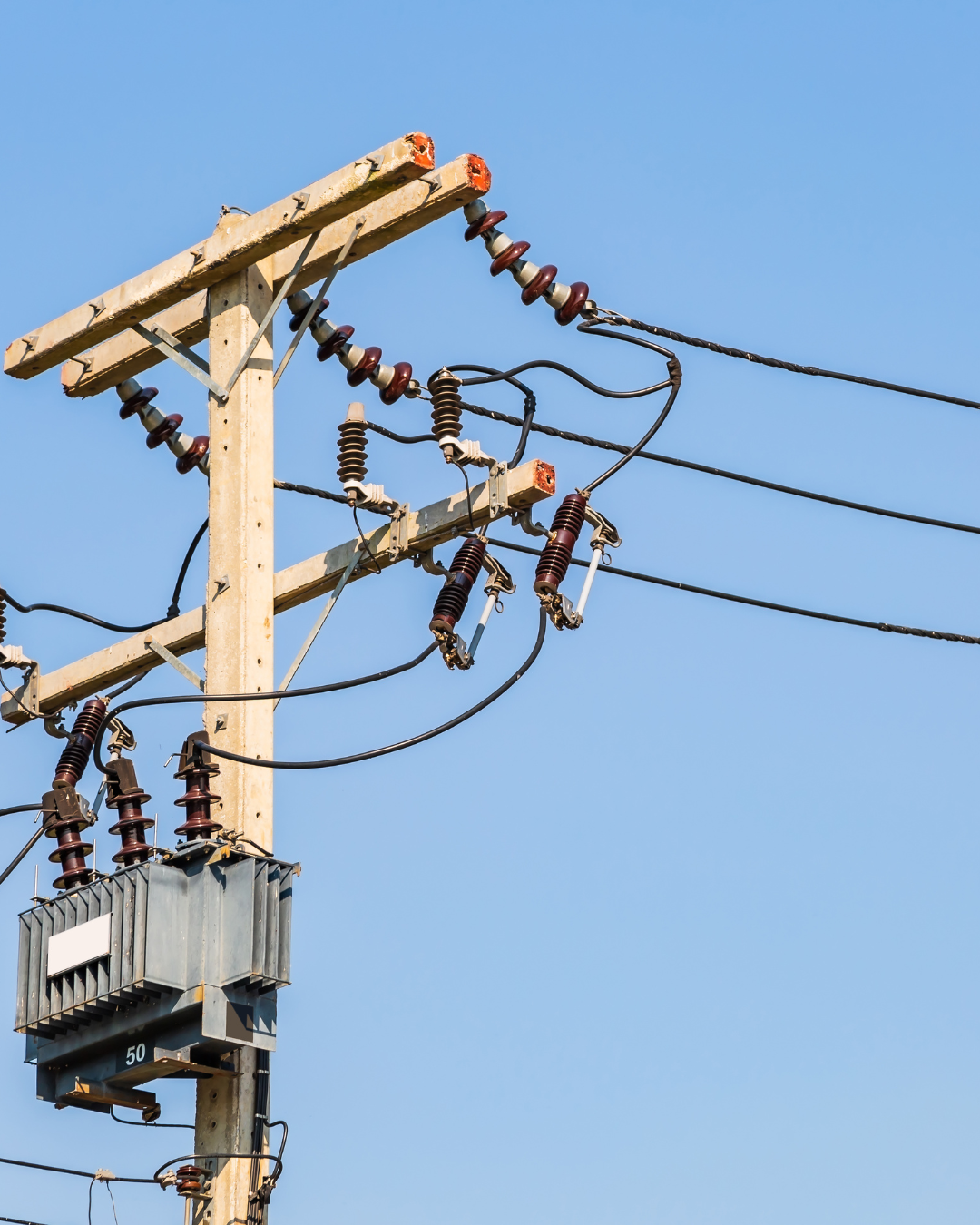
Aerial fiber installation involves stringing fiber optic cables along existing utility poles or other elevated support structures. This is one of the most common approaches for broadband builds in rural or semi-rural areas, particularly when infrastructure already exists.
Pros of Aerial Fiber
- Lower Initial Cost: Aerial deployments typically cost significantly less than underground options since there’s no need for trenching or directional boring.
- Faster Deployment: Without the need for complex permitting or excavation, aerial projects can often be completed in weeks rather than months.
- Easier Maintenance and Upgrades: Fiber lines installed on poles are more accessible, which simplifies future splicing, rerouting, or expansions.
Cons of Aerial Fiber
- Exposure to Elements: Cables are vulnerable to wind, ice, snow, and falling debris during storms, increasing the risk of service disruption.
- Security Concerns: Aerial lines are more susceptible to vandalism and accidental damage.
- Aesthetics: In urban or residential areas, aerial lines may be considered visually intrusive.
- Higher Long-Term Maintenance: Poles and elevated equipment require regular inspections, and repairs involve more physical risk and labor.
Underground Fiber Optic Cable Installation
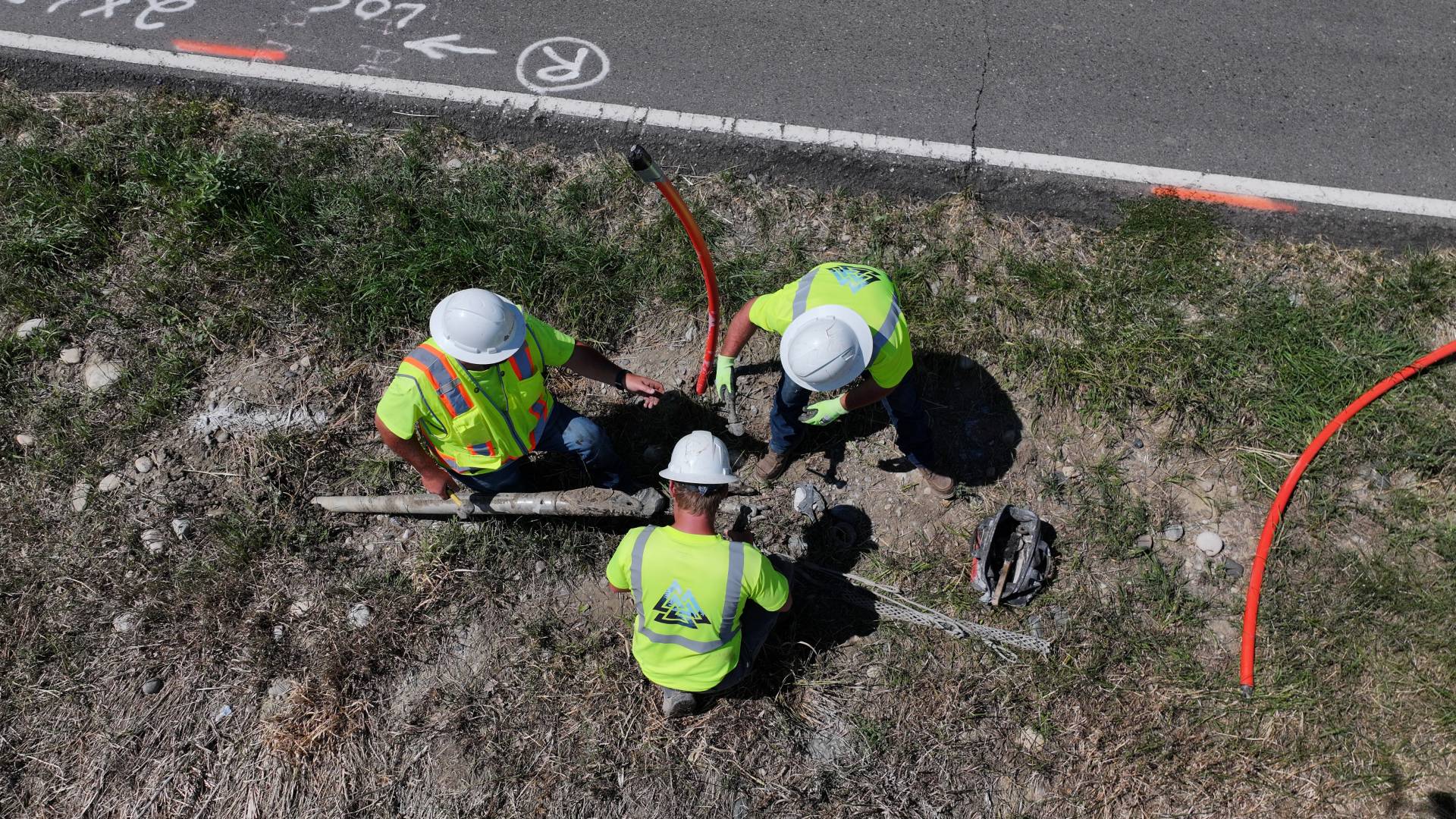
Underground installation buries fiber optic cables beneath roads, sidewalks, or rights-of-way. This method is often used in high-density, high-value areas where performance and durability are paramount.
Pros of Underground Fiber
- Enhanced Reliability: Underground lines are protected from weather events, fallen trees, and physical tampering, reducing the likelihood of outages.
- Improved Aesthetics: With no visible infrastructure, underground fiber preserves the visual appeal of neighborhoods, campuses, and downtown corridors.
- Long-Term Durability: While more expensive upfront, buried lines typically last longer and require less reactive maintenance.
Cons of Underground Fiber
- Higher Cost: Trenching, excavation, and environmental planning can make underground installation 2–4 times more expensive than aerial options.
- Longer Timelines: Permitting, environmental assessments, and utility mapping often slow down the start of construction.
- Challenging Repairs: Accessing buried lines for maintenance or upgrades can be time-consuming and costly.
Aerial vs. Underground: Which Should You Choose?
The right installation method depends on a combination of environmental, logistical, and financial factors. Consider the following:
- Choose Aerial if you need a faster, more budget-friendly solution—especially in rural areas with existing pole infrastructure and low aesthetic sensitivity.
- Choose Underground if reliability, safety, and long-term resilience are your top priorities—or if you’re operating in a high-visibility urban environment with strict permitting or aesthetic standards.
In many cases, hybrid solutions that combine both aerial and underground approaches across different parts of the long-haul network can strike the right balance between speed, cost, and performance.
Why Choose Valhalla Industries?
At Valhalla Industries, we bring decades of experience in OSP construction, including both aerial and underground fiber installations for public, private, and tribal broadband projects. Our team specializes in long-haul fiber builds, rural connectivity, and grant-funded network expansion. We don’t just install infrastructure—we guide you through the entire process, from permitting and design to deployment and testing.
Ready to plan your aerial or underground fiber project?
Contact Valhalla Industries today to speak with our expert team and get tailored insights for your location, budget, and build goals.
FAQs?
1. Is aerial fiber optic cable installation suitable for long-haul networks?
Yes. Aerial installations are often used in long-haul builds, especially in rural areas where existing utility poles provide cost-effective infrastructure.
2. How do I decide between aerial and underground installation?
It depends on your budget, timeline, local regulations, and environmental conditions. Aerial is faster and cheaper, while underground offers better protection and aesthetics.
3. What are the maintenance requirements for aerial fiber installations?
Aerial lines require routine inspections for weather damage and regular upkeep of support structures like utility poles.
4. Are there permitting differences between aerial and underground construction?
Yes. Underground installations usually involve more extensive permitting, environmental review, and coordination with other utilities.
5. Does Valhalla Industries handle both aerial and underground fiber projects?
Absolutely. We specialize in both methods and can help determine the best fit based on your project’s unique goals and constraints.