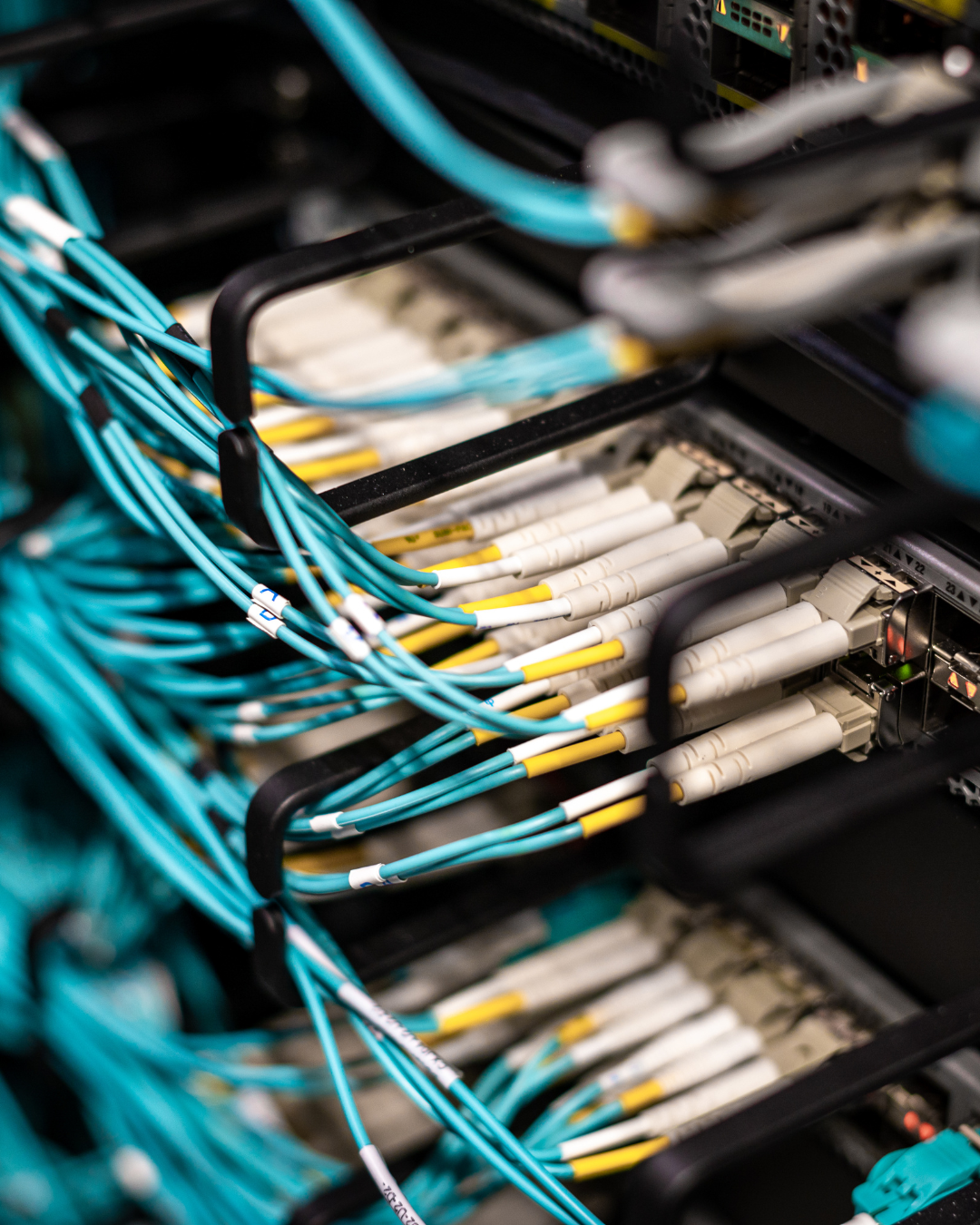
A future-proof Fttx network design prioritizes scalability and long-term value by building excess capacity, selecting flexible architectures like XGS-PON, and maintaining rigorous documentation. By planning for growth beyond immediate demand, providers reduce the total cost of ownership and ensure the infrastructure can adapt to evolving bandwidth requirements without costly redesigns.
The network decisions made today will influence service quality and expansion opportunities for years to come. Internet service providers and network planners face increasing pressure to build infrastructure that can support growing bandwidth demands without requiring constant reconstruction. A well-planned Fttx network design creates a framework that can adapt to future technologies, customer growth, and changing connectivity requirements.
Long-term success depends on designing networks with flexibility built into every stage of deployment. When scalability is considered from the beginning, operators may be better positioned to accommodate future growth while supporting reliable service delivery.
Why Building Capacity Beyond Current Demand is Critical for FTTx?
One of the most important principles of future-proofing is designing for growth rather than immediate need. Fiber routes, conduits, and splice locations should include spare capacity that can accommodate additional subscribers or service expansions later. Installing extra fiber during the initial build is typically more cost-effective than reopening trenches or undertaking additional construction projects later.
Capacity planning extends beyond cable counts. Distribution points and network pathways should be designed with expansion in mind, allowing infrastructure to evolve alongside customer demand. This approach provides additional flexibility for future network expansion and service growth.
How Does Selecting a Flexible Network Architecture Future-Proof Your Investment?
Technology choices made during deployment can significantly affect long-term network value. While many providers continue to deploy GPON solutions, newer standards such as XGS-PON offer greater bandwidth potential and support future service requirements. Choosing equipment and layouts that can accommodate future upgrades reduces the likelihood of expensive redesigns.
The physical layout of the network is equally important. Strategic splice point placement allows new service areas to be connected without disrupting active customers. Effective outside plant engineering creates opportunities for expansion while maintaining network stability. Careful route planning also supports future maintenance activities and system enhancements.
Many telecommunication engineering companies emphasize the importance of balancing current deployment goals with long-range growth objectives. Networks designed with adaptability in mind are often better positioned to accommodate future expansion and technology upgrades.
Planning for Future Expansion and Efficient Network Upgrades
Permitting and right-of-way considerations should account for future requirements rather than focusing solely on the initial construction phase. Securing access that supports anticipated growth may reduce potential delays and complications if network expansion becomes necessary.
Documentation is another critical element of sustainable infrastructure planning. Accurate as-built records provide valuable information about fiber routes, splice locations, and installed assets. When troubleshooting or upgrading the network, detailed documentation can reduce downtime and simplify project execution.
Strong documentation practices also support Osp construction efforts by providing field teams with reliable information when modifications or extensions are required. Well-maintained records remain valuable long after the original build is complete.
A successful Fttx network design combines scalable infrastructure, adaptable technology choices, thoughtful route planning, and comprehensive documentation. Together, these elements can help create networks that are better positioned to support evolving customer and business requirements over time.
Engineering FTTx Solutions with Long-Term Value in Mind
At Valhalla Industries, we believe telecommunications infrastructure should be designed with future growth as a priority. Our team works alongside clients to develop and construct networks that support expansion, operational efficiency, and evolving technology requirements. By combining engineering expertise, construction capabilities, and practical field experience, Valhalla Industries supports organizations in developing network infrastructure that can accommodate future operational needs and growth objectives.
Frequently Asked Questions About FTTx Network Design
What is the benefit of future-proofing FTTx?
Future-proofing ensures that a network can support next-generation technologies and higher subscriber densities without needing to reopen trenches or replace physical infrastructure. This significantly lowers long-term operational costs and improves service reliability.
Why is capacity planning important in FTTx design?
Capacity planning involves installing spare fiber and conduits during the initial build. This proactive approach allows for rapid service expansion as customer demand grows, avoiding the high costs and logistical hurdles of additional construction phases.
How does documentation impact FTTx network maintenance?
Accurate as-built documentation provides a precise roadmap of fiber routes and splice locations. This is essential for reducing downtime during troubleshooting and ensures that field teams have reliable information to execute upgrades or repairs quickly.
Partner with us for FTTx network design that is built to last.