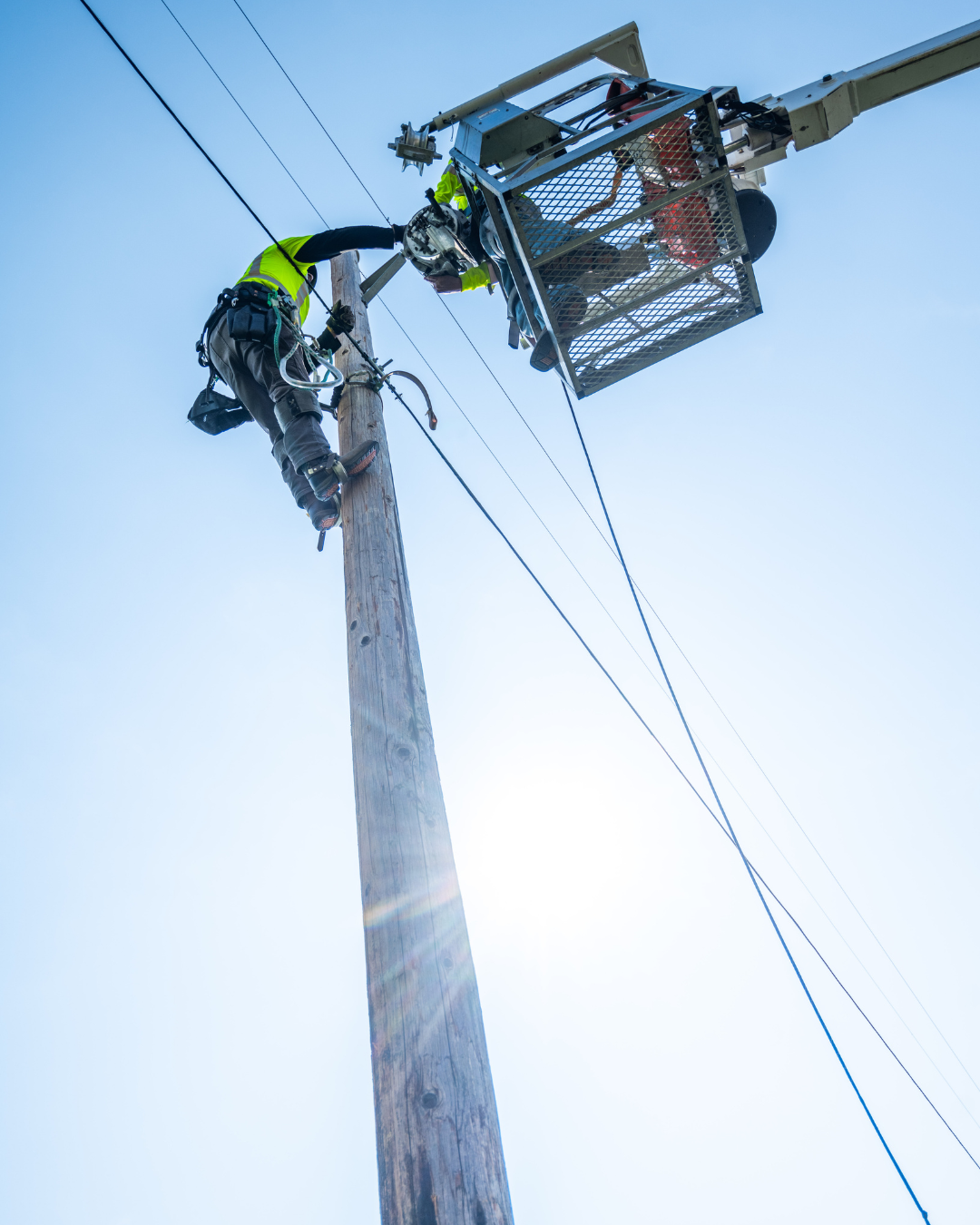
Most people have no idea what happens before their phone call connects or their internet stays on during a storm. They don’t see what a lineman does out at dawn, running cable through conduit, splicing fiber in a bucket truck 40 feet off the ground, or pulling wire through underground vaults in the middle of July. That work belongs to telecom linemen, and it’s a lot more involved than most job descriptions let on.
If you’re considering a career in telecommunications construction, or you’re just curious what the job actually looks like day to day, here’s an honest breakdown.
The Work Starts Before Anyone Touches a Cable
Field crews don’t just show up and start climbing. Every morning begins with a safety briefing, equipment inspection, and a review of the day’s assignments. Personal protective equipment gets checked. Tools get examined. Site conditions get discussed before anyone heads into the field.
This isn’t paperwork for its own sake. A missed equipment issue at 7 a.m. can become a serious problem at 30 feet. Experienced linemen treat the pre-job routine as seriously as the work itself, because on a telecom construction site, preparation directly affects both safety and performance.
Building and Maintaining the Networks People Depend On
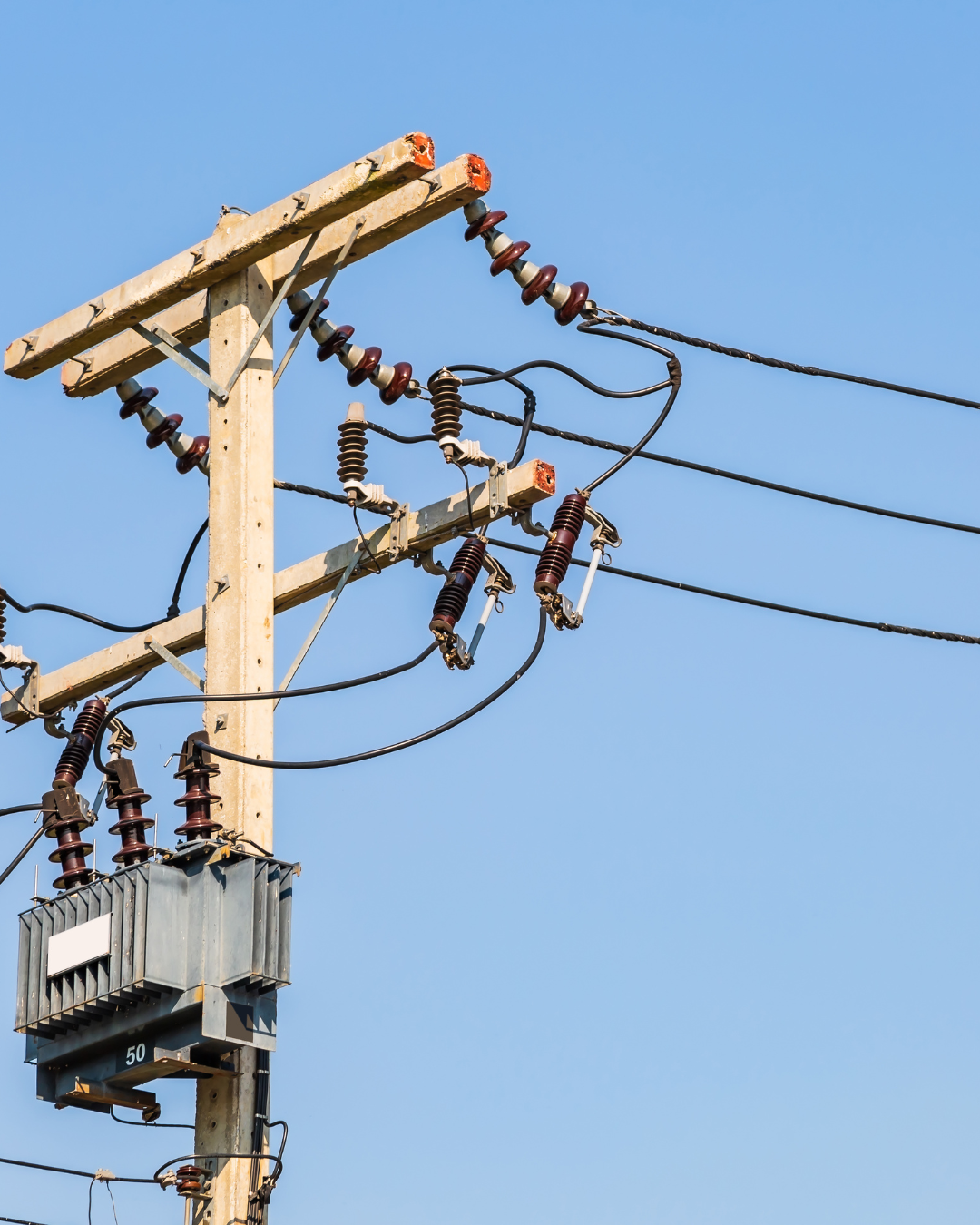
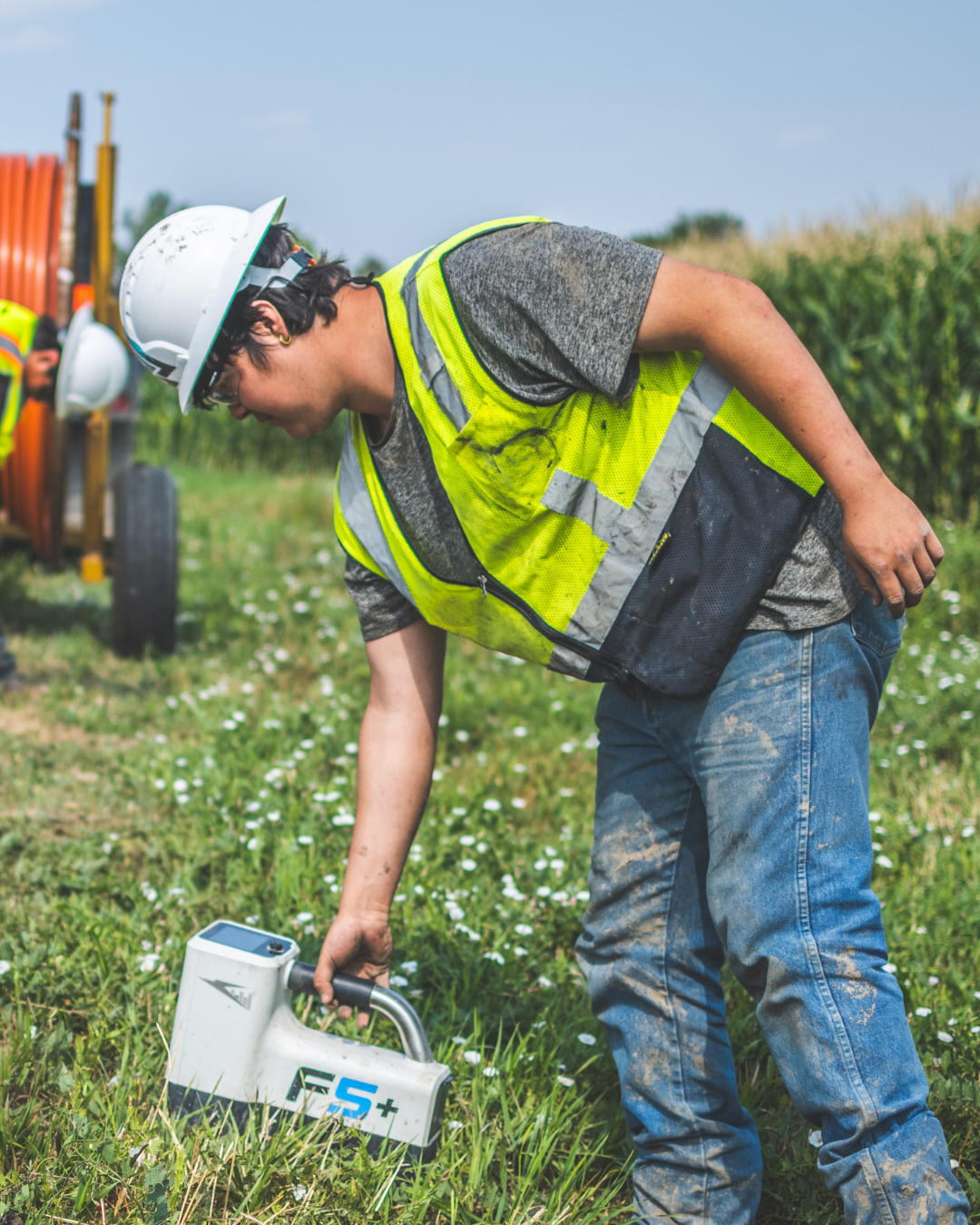
Once crews are in the field, the work varies significantly by project. Some days involve aerial fiber installations on utility poles across miles of corridor. Others focus on underground infrastructure, pulling cable through conduit systems beneath roads and neighborhoods. Network maintenance days mean inspecting existing systems, identifying degradation, and making repairs before customers notice a problem.
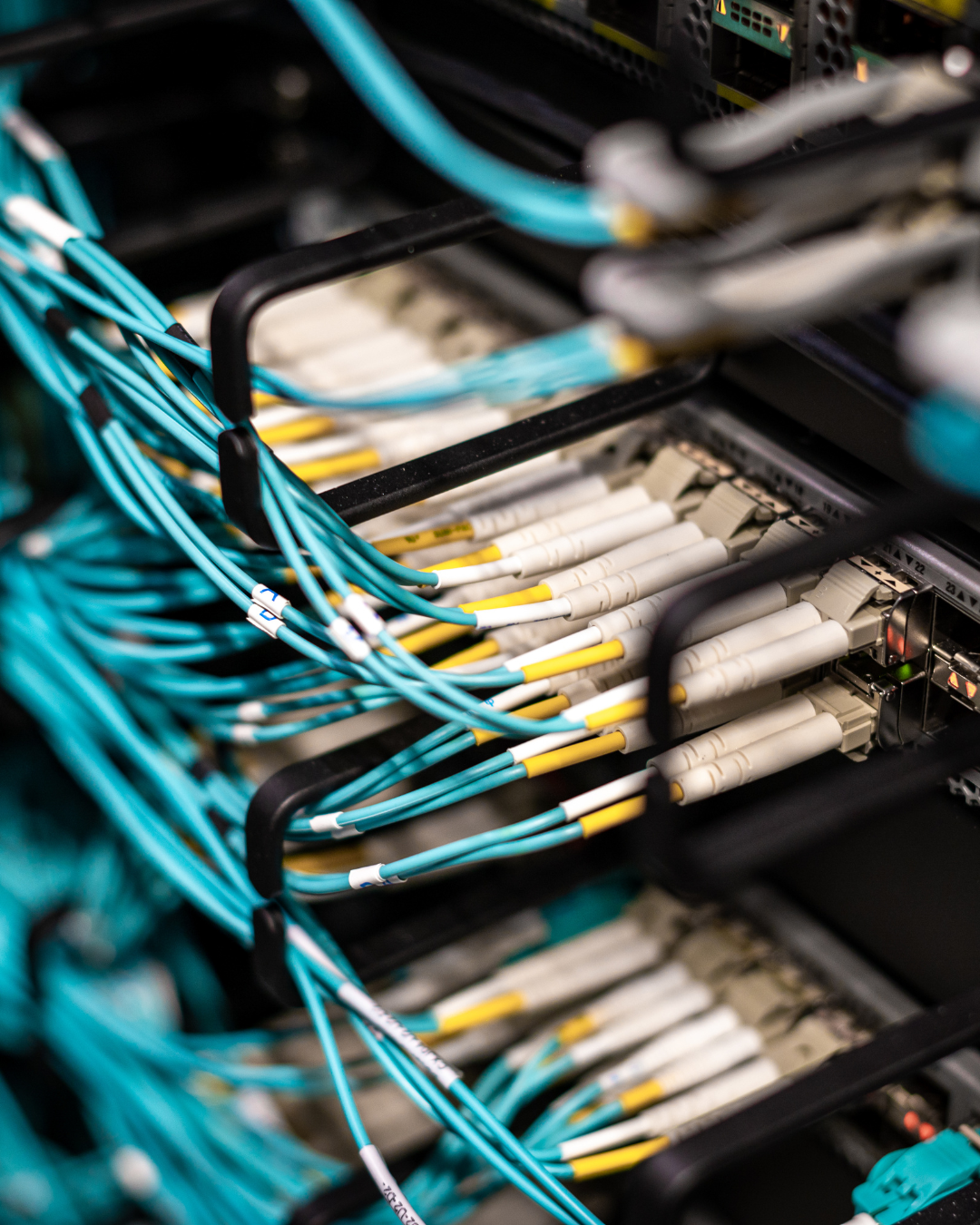
A telecom lineman isn’t just muscle on a job site. The role requires reading network specs, following installation standards, supporting fiber splicing operations, and understanding how each piece of the project connects to the larger system. Precision matters as much as physical ability. A cable run that’s off-spec doesn’t just fail inspection. It can cause performance issues that take weeks to trace back to the source.
Not Every Day Goes According to Plan
This is one of the things that draws a lot of people to the trade. Storms take down aerial infrastructure. Excavation crews accidentally cut a buried cable. Equipment fails at the worst possible time. When that happens, telecom linemen are the ones who respond.
Emergency restoration work is a real part of the job. It requires fast thinking, solid troubleshooting skills, and the ability to work efficiently under pressure while still meeting safety and quality standards. For people who get bored with repetitive work, the unpredictability of field telecom is often a feature, not a drawback.
Skills, Training, and Physical Requirements
Success in telecommunications lineman jobs requires a combination of technical ability, physical endurance, and a willingness to work outdoors in varying conditions. Many employers look for candidates who are comfortable working at heights, operating safely around construction equipment, and collaborating as part of a field crew.
While specific qualifications vary by employer, training may include safety education, equipment operation, and telecommunications construction practices. Understanding the responsibilities outlined in a lineman job description helps candidates prepare for both the physical and technical aspects of the profession.
Why Many People Choose This Career Path
For individuals who enjoy hands-on work, problem-solving, and contributing to essential infrastructure, what a lineman does often becomes the answer to a rewarding long-term profession. Every completed installation or repair supports the communication systems that people depend on every day.
A successful lineman career also provides opportunities to develop specialized skills while working on a variety of telecommunications construction projects. As communication networks continue to expand, skilled field professionals remain an important part of the industry’s workforce.
Frequently Asked Questions
What qualifications do I need to become a telecom lineman?
Most employers look for candidates who are physically fit, comfortable working at heights, and willing to complete safety and technical training. A background in construction or electrical work is helpful but not always required. What matters most is attitude, reliability, and a willingness to learn.
Does every telecom lineman job require climbing?
Not necessarily. Aerial work on poles is a significant part of many roles, but there are positions focused on underground installation, fiber splicing, and network maintenance that involve little to no climbing. The specific requirements depend on the employer and the type of projects they run.
What does a typical day look like in the field?
It starts with a safety briefing and equipment check, then moves into the day’s assigned work, whether that’s new installation, maintenance, or emergency restoration. Days vary quite a bit depending on the project, which is part of what makes the work interesting.
What kind of training do new linemen go through?
Training typically includes safety education, equipment operation, and telecommunications construction practices. Some employers run formal onboarding programs. Others pair new hires with experienced crew members for hands-on learning from day one.
Can telecom linemen advance into other roles?
Yes. With experience, linemen can move into lead technician roles, crew supervision, project coordination, or specialized positions in areas like fiber splicing or wireless construction. The path forward depends on the skills you build and the opportunities you pursue.
How do I apply for telecom lineman jobs at Valhalla Industries?
You can explore current openings and apply directly through the Valhalla Industries careers page. We’re always looking for people who take the work seriously and want to build something worth being proud of.
Come Build With Us
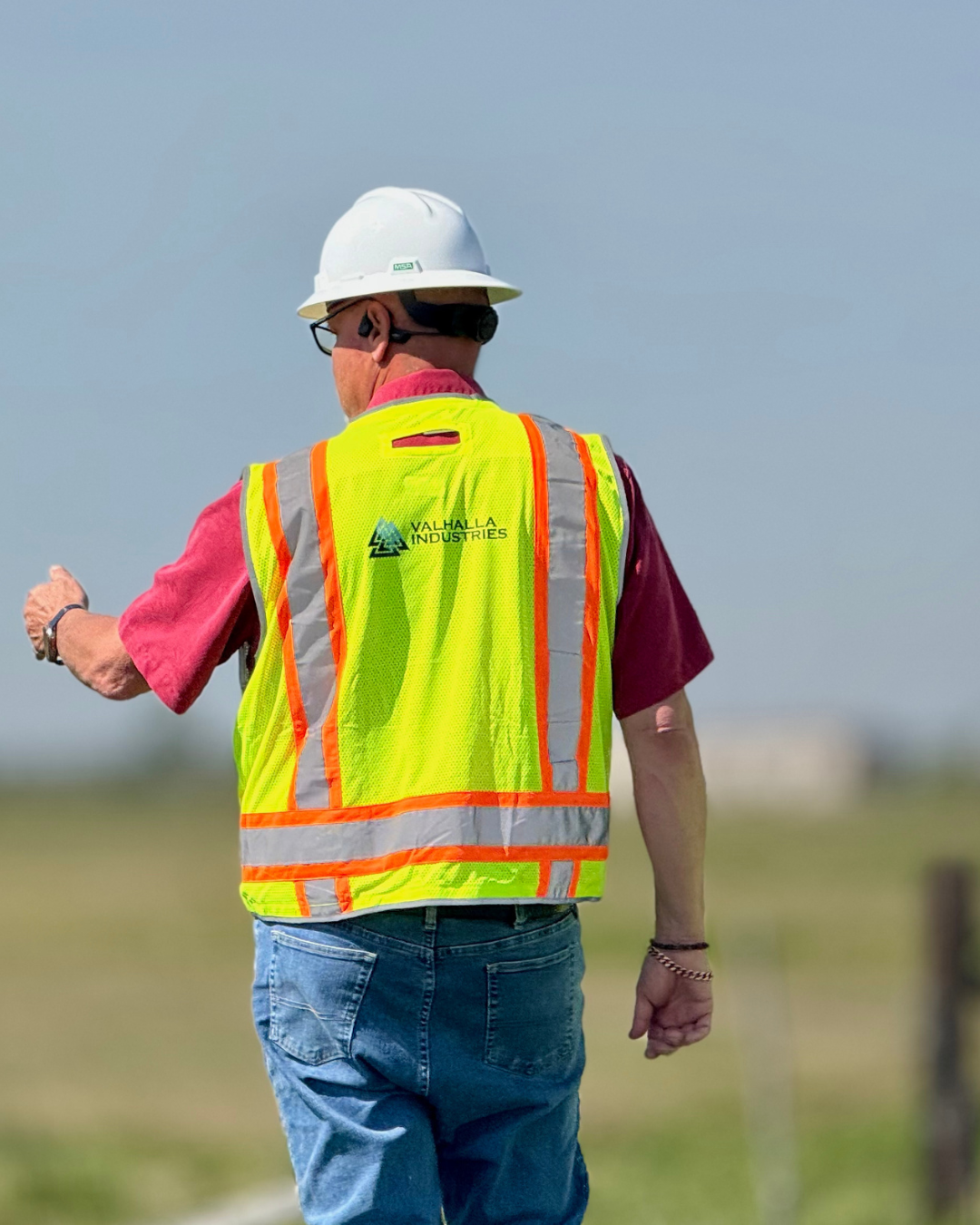
At Valhalla Industries, our field teams work across OSP construction, aerial and underground fiber installation, fiber splicing, wireless communications construction, and engineering support. We build infrastructure that lasts, and we’re looking for people who want to be part of that.
If you’re ready to take the next step in a telecommunications career, we’d like to hear from you. Explore our open positions and see where your skills fit.