Key Takeaways: OSP Engineering and Cost Control
-
Proactive Planning: Early Outside Plant (OSP) engineering identifies route obstacles before mobilization.
-
Risk Mitigation: Detailed infrastructure assessments prevent expensive field change orders and utility conflicts.
-
Accuracy: Precise material estimates and permitting coordination ensure projects stay within budget and on schedule.
Fiber network projects involve significant planning, coordination, and investment. Design considerations, permitting requirements, and construction activities are critical to successful project execution. Outside plant engineering supports the planning process by defining network routes, infrastructure requirements, and construction considerations before work begins. When these planning activities are addressed early, project teams gain vital visibility into the specific requirements needed for efficient deployment.
What OSP Engineering Covers Before Construction Starts?
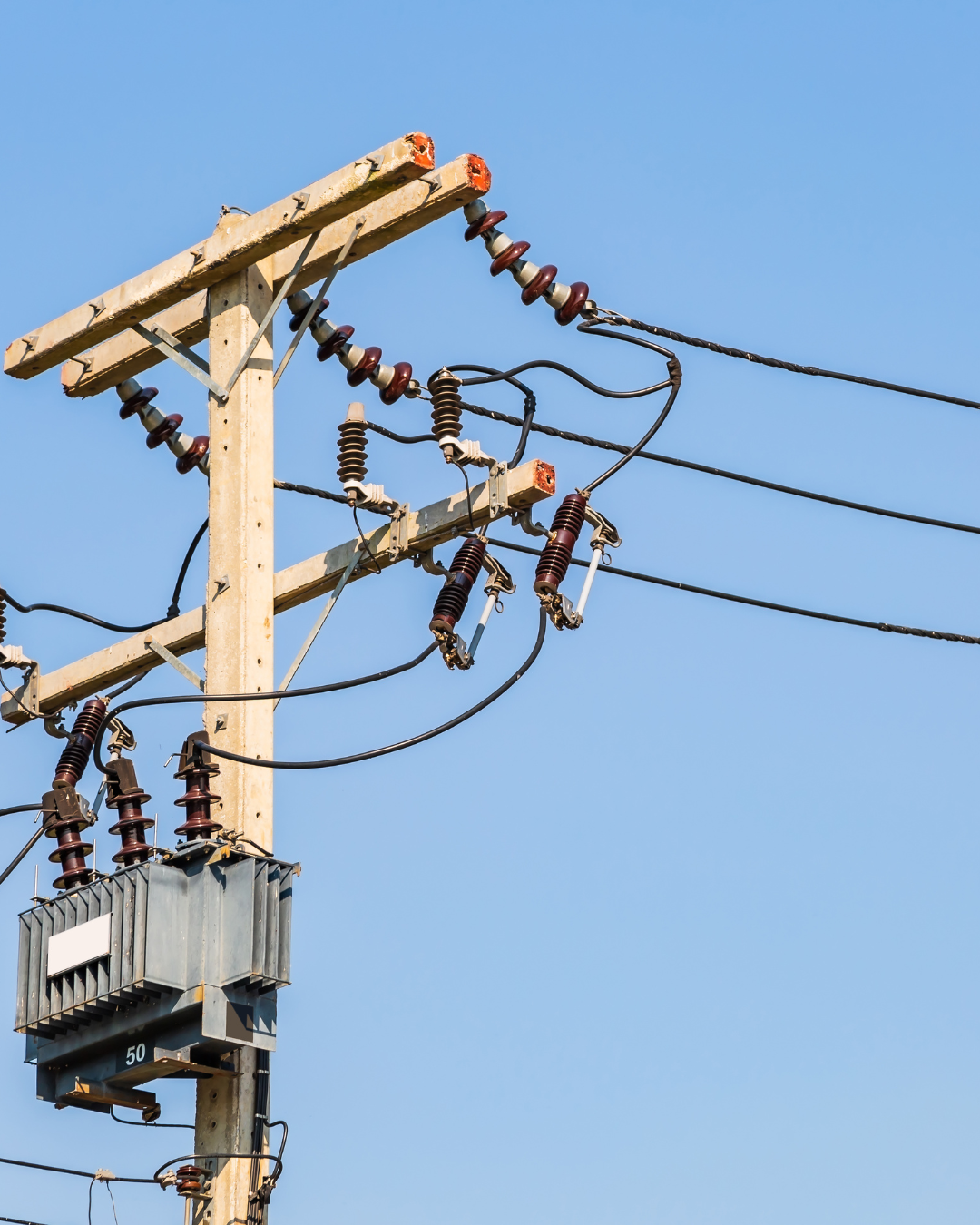
Successful fiber deployments rely on detailed telecom project planning long before crews arrive on site. Outside plant engineering includes route selection, conduit layout, splice point placement, pole loading analysis, and permitting coordination. These activities help determine how a network can be built safely, efficiently, and in compliance with local requirements.
Engineering teams evaluate existing infrastructure and geographic conditions that may affect construction. This assessment supports informed decision-making and reduces uncertainty during the build phase. Whether the project involves network expansion or Fttx network design, comprehensive OSP engineering creates a stronger foundation for all subsequent construction activities.
Preventing Costly Problems Before They Reach the Field
One of the biggest causes of budget overruns is discovering issues after construction crews have already mobilized. Design conflicts with utilities, inaccurate material estimates, or overlooked permit requirements can quickly increase project costs.
Thorough engineering helps identify these challenges early. Proper conduit sizing prevents future capacity issues while accurate cable counts reduce unnecessary material expenses. Permit risks can be addressed before they affect project schedules, and constructability reviews can identify obstacles that might otherwise lead to field change orders.
Many telecommunication engineering companies recognize that investing time in planning often costs far less than correcting mistakes during construction. Engineering planning improves coordination between project teams, reducing the likelihood of delays resulting from unexpected field conditions. The same proactive approach supports coordination with fiber splicing companies, ensuring the build phase is seamless.
Comparing Well-Planned and Poorly Planned Fiber Projects
Consider two similar fiber expansion projects. In the first scenario, the design team carefully reviews routes, utility crossings, permitting requirements, and network capacity needs. Construction crews arrive with clear documentation and a realistic plan. Work progresses efficiently with minimal unexpected changes.
In the second scenario, planning is rushed. Permits are delayed, conduit sizes require revision, and splice locations must be relocated after construction begins. Additional labor, materials, and scheduling adjustments increase project costs and extend completion timelines.
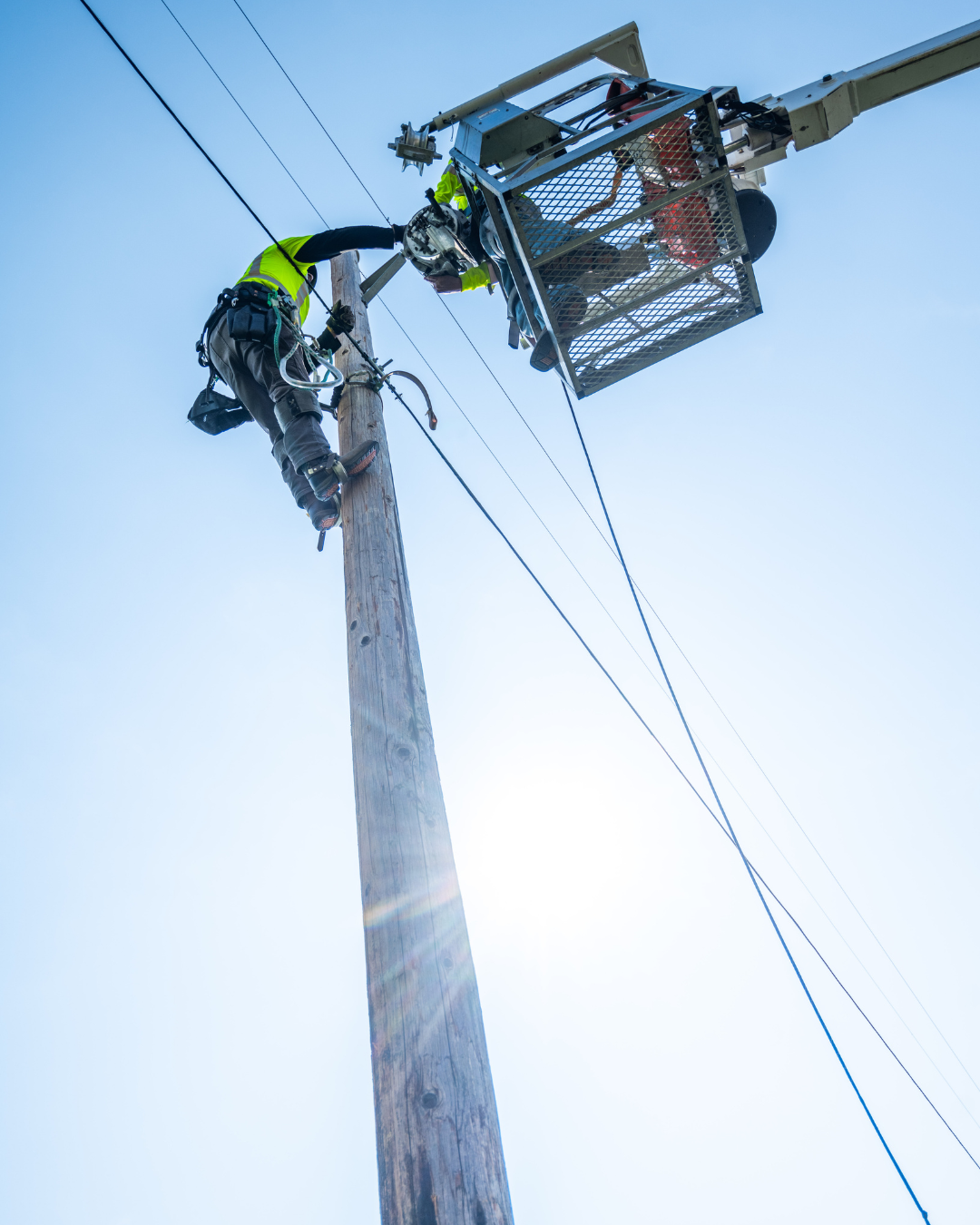
This difference becomes even more significant when Osp Construction activities are underway. Strong engineering support improves coordination between design and field execution, identifying potential issues before they affect the budget.
With complete and accurate engineering documentation in hand, field crews can work more efficiently and avoid many of the delays and budget impacts associated with unexpected project changes.
Supporting Fiber Projects from Design Through Deployment
At Valhalla Industries, we understand that successful fiber network deployments depend on coordination between planning and execution. We provide engineering and construction services that support projects from initial design through field implementation, aligning with schedule and budget objectives.
Talk to us about OSP engineering support for your fiber project.
Frequently Asked Questions (FAQ)
How does OSP engineering directly reduce project costs?
OSP engineering identifies potential route obstructions, utility conflicts, and structural issues like pole capacity before construction begins. By resolving these through design rather than field changes, companies avoid the high labor and material costs of mid-build revisions.
What are the most common causes of cost overruns in fiber deployments?
The most frequent drivers are inaccurate utility mapping, permitting delays, and insufficient infrastructure assessments. OSP engineering mitigates these by providing precise documentation and coordinating with local municipalities early in the project lifecycle.
Why is pole loading analysis part of OSP engineering?
Pole loading analysis ensures that existing utility poles can safely support new fiber weight and tension. Skipping this step often leads to construction halts or expensive emergency pole replacements if the infrastructure fails during installation.
At what stage should I hire a telecom engineering partner?
Engineering should ideally begin during the feasibility and route planning stages. Early involvement allows for optimized Fttx network design that considers the most cost-effective construction methods from the start.