Enhancing Building Connectivity
A Distributed Antenna System (DAS) ensures robust indoor 5G connectivity and mobile service by overcoming RF signal attenuation caused by construction materials. This guide outlines how to identify coverage gaps, the differences between active and passive architectures, and the importance of Public Safety/FirstNet compliance for modern facilities.
Why Large Buildings Experience Poor Cellular Reception?
Indoor coverage challenges often stem from RF signal attenuation, where external wireless signals struggle to penetrate complex structures. These issues disrupt operations and tenant satisfaction, leading many property owners to explore solutions with DAS installation companies. Proactive assessment ensures that 5G connectivity remains seamless throughout the building.
Common Factors Affecting Indoor Signal Quality
Modern construction materials are primary contributors to signal degradation. Concrete, steel, and low-emissivity (Low-E) glass effectively block macro cell tower signals. High-traffic facilities like airports, hospitals, and office complexes frequently encounter these barriers, requiring a distributed architecture to maintain high-speed mobile data and voice reliability.
Structural Barriers and RF Shadowing
Multi-story layouts create additional RF shadowing from elevator shafts, equipment rooms, and thick walls. Even properties with strong outdoor reception may face “dead zones” inside. Consequently, consulting DAS installation companies early is vital for integrating Public Safety/FirstNet compliance and commercial cellular needs.
How Does a Distributed Antenna System Work?
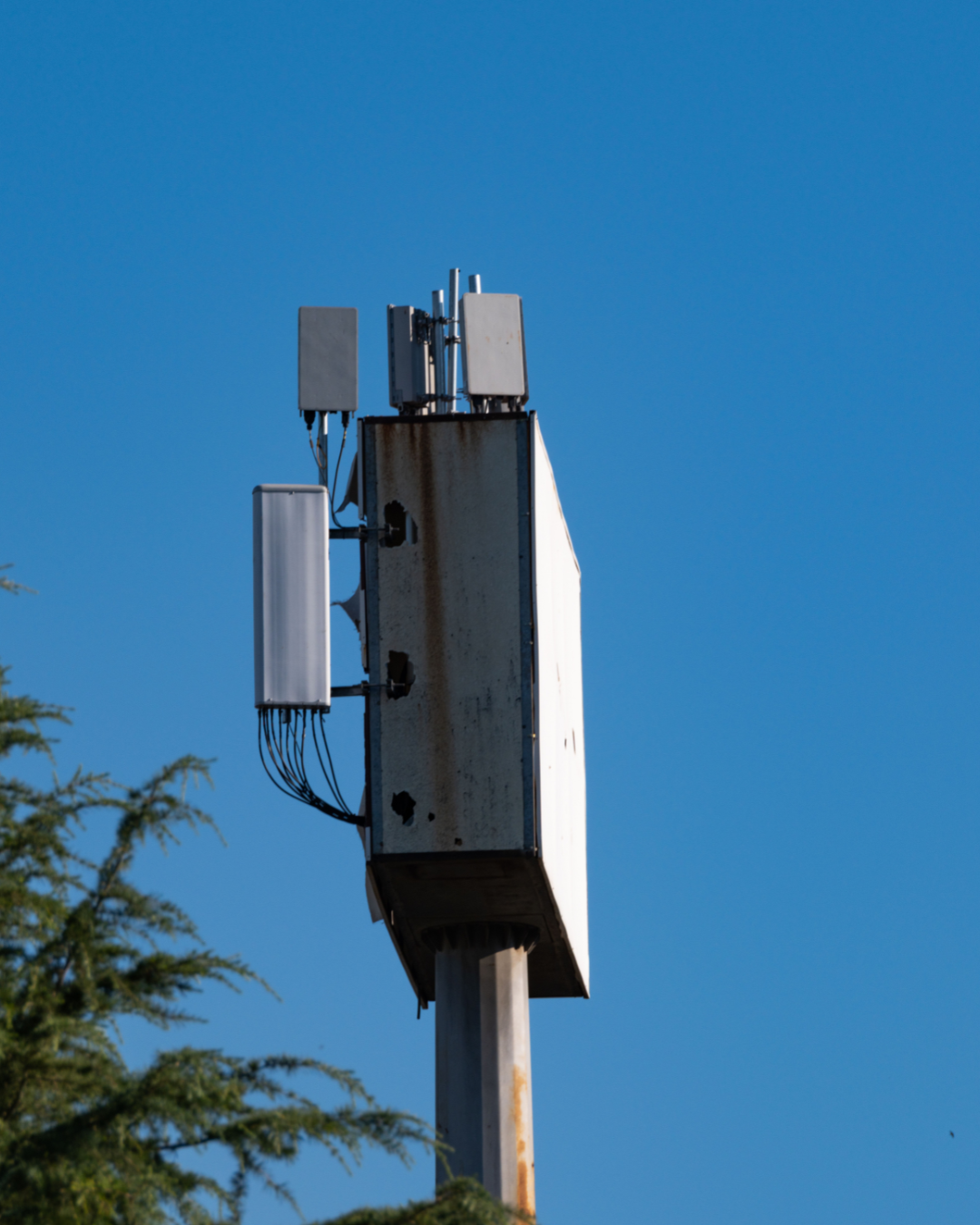
A DAS distributes a localized source signal through a network of indoor antennas, ensuring uniform coverage. This infrastructure is essential for supporting the high bandwidth demands of 5G connectivity and ensuring that emergency responders have reliable communication via Public Safety/FirstNet compliance standards.
Passive vs. Active DAS Architecture
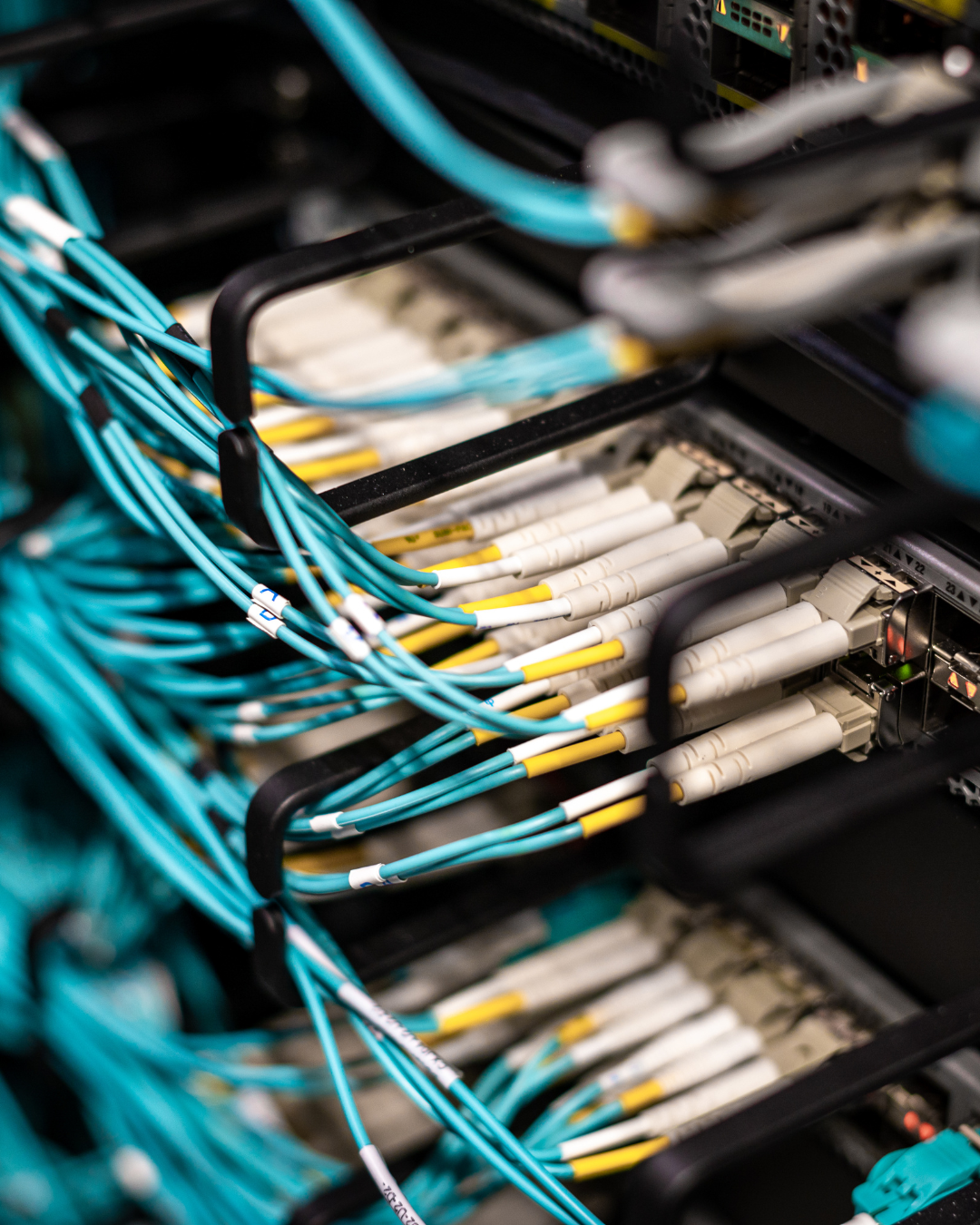
Choosing the right distributed antenna system installation depends on scale. Passive systems utilize coaxial cables and are ideal for smaller footprints, whereas active systems use fiber optics to maintain signal integrity over massive distances. Hybrid models offer a balanced approach for complex facility requirements.
Recognizing the Signs Your Building Needs DAS
Frequent dropped calls, sluggish data speeds, and poor 5G connectivity are clear indicators. New construction projects should prioritize early planning for wireless infrastructure to avoid costly retrofits and ensure immediate Public Safety/FirstNet compliance upon building opening.
Planning Your Wireless Infrastructure Strategy
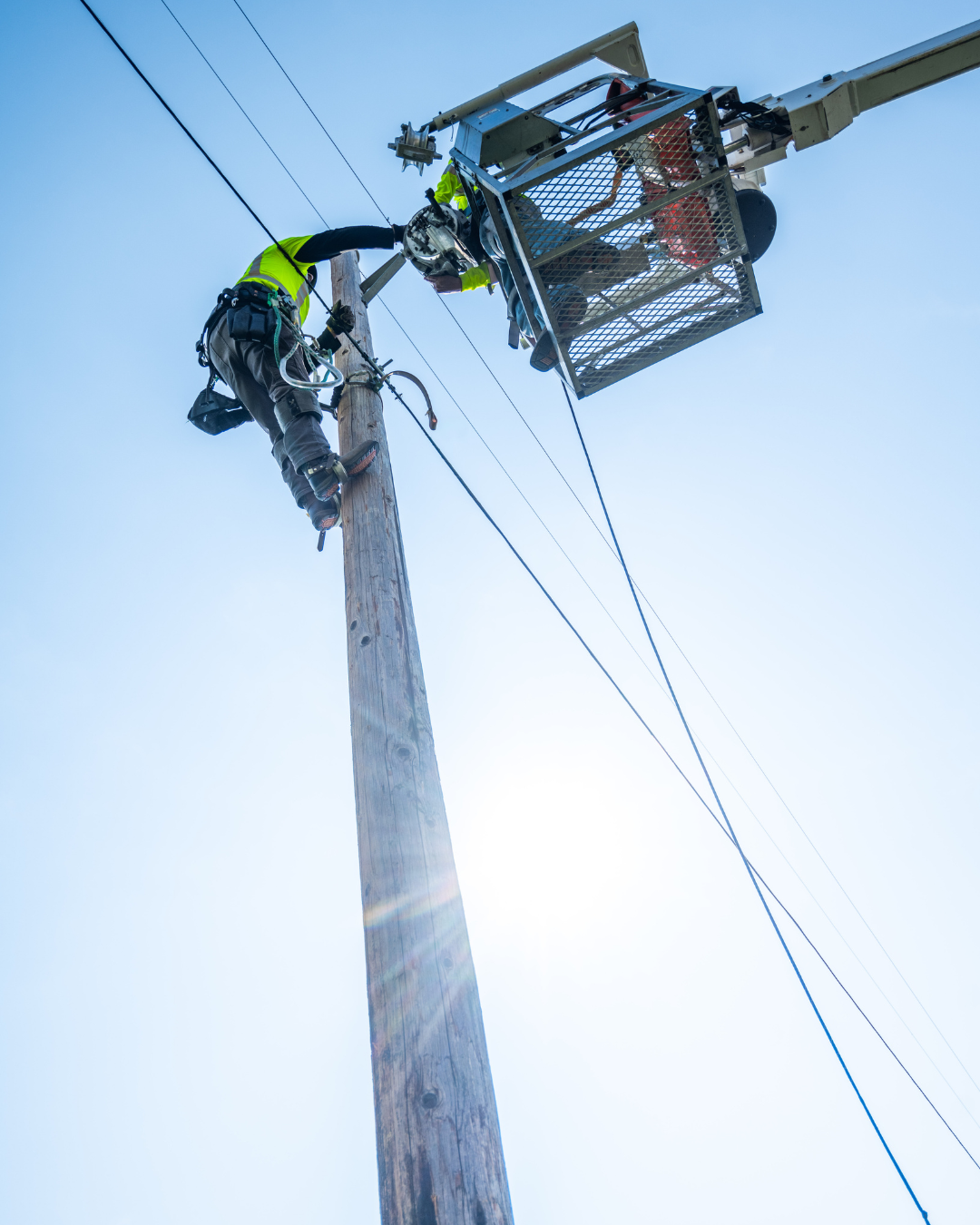
Leading telecom construction companies and telecommunications contractors emphasize that early design phases are the best time to address potential RF signal attenuation. A proper distributed antenna system installation provides a future-proof foundation for evolving carrier technologies.
At Valhalla Industries, we help property managers navigate the complexities of 5G connectivity and RF signal attenuation. From coverage analysis to full deployment, we ensure your facility meets both commercial expectations and Public Safety/FirstNet compliance regulations.
Frequently Asked Questions (FAQ)
What is a Distributed Antenna System (DAS)?
A DAS is a network of spatially separated antennas connected to a common source that provides wireless service within a building. It is designed to mitigate RF signal attenuation and provide consistent signal strength across large structures.
What is the difference between active and passive DAS?
Passive DAS uses coaxial cable to distribute signals and is best for smaller buildings. Active DAS converts RF signals to light to travel over fiber optics, making it superior for large venues where 5G connectivity must be maintained over long distances without signal loss.
Why is early planning important for cellular coverage?
Integrating wireless infrastructure during the design phase allows for better placement of equipment and ensures the building meets Public Safety/FirstNet compliance from day one. This proactive approach prevents “dead zones” and saves on future renovation costs.
Contact us for a DAS site assessment and coverage consultation.