This guide outlines the essential steps to beginning a career in the telecommunications field, focusing on required physical skills, technical training, and safety certifications. Learn how to transition into this essential workforce, which supports nationwide broadband and fiber optic infrastructure deployment.
Becoming a Skilled Telecommunications Lineman
Reliable communication networks depend on skilled professionals who build, maintain, and repair the infrastructure that keeps people connected. For individuals interested in hands-on work and long-term career opportunities, telecommunications lineman jobs offer a pathway into a growing industry that supports broadband expansion, fiber optic deployment, and modern communication systems.
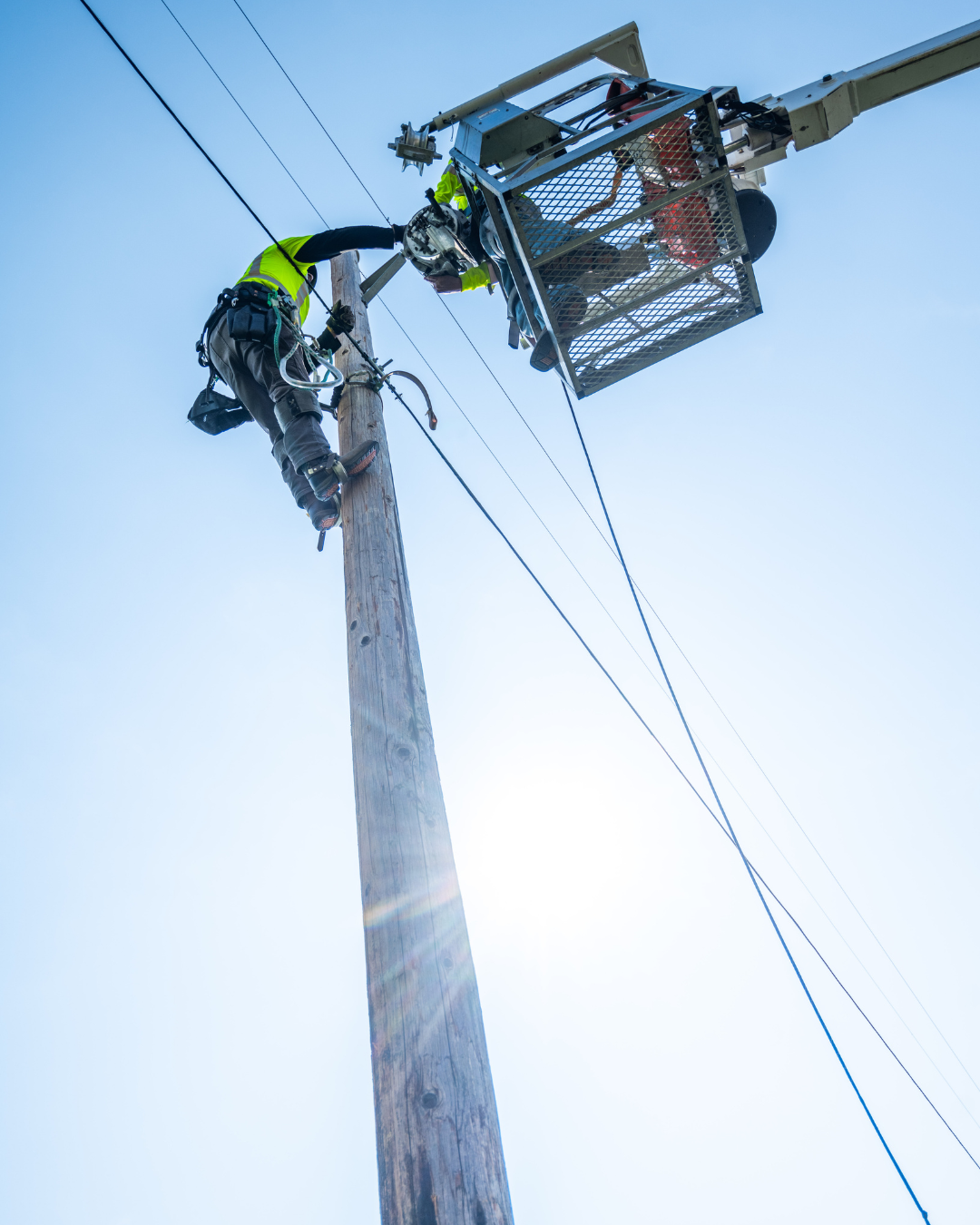
Skilled field personnel play an important role in supporting network construction and maintenance activities. A telecommunications lineman may work in various environments, including:
-
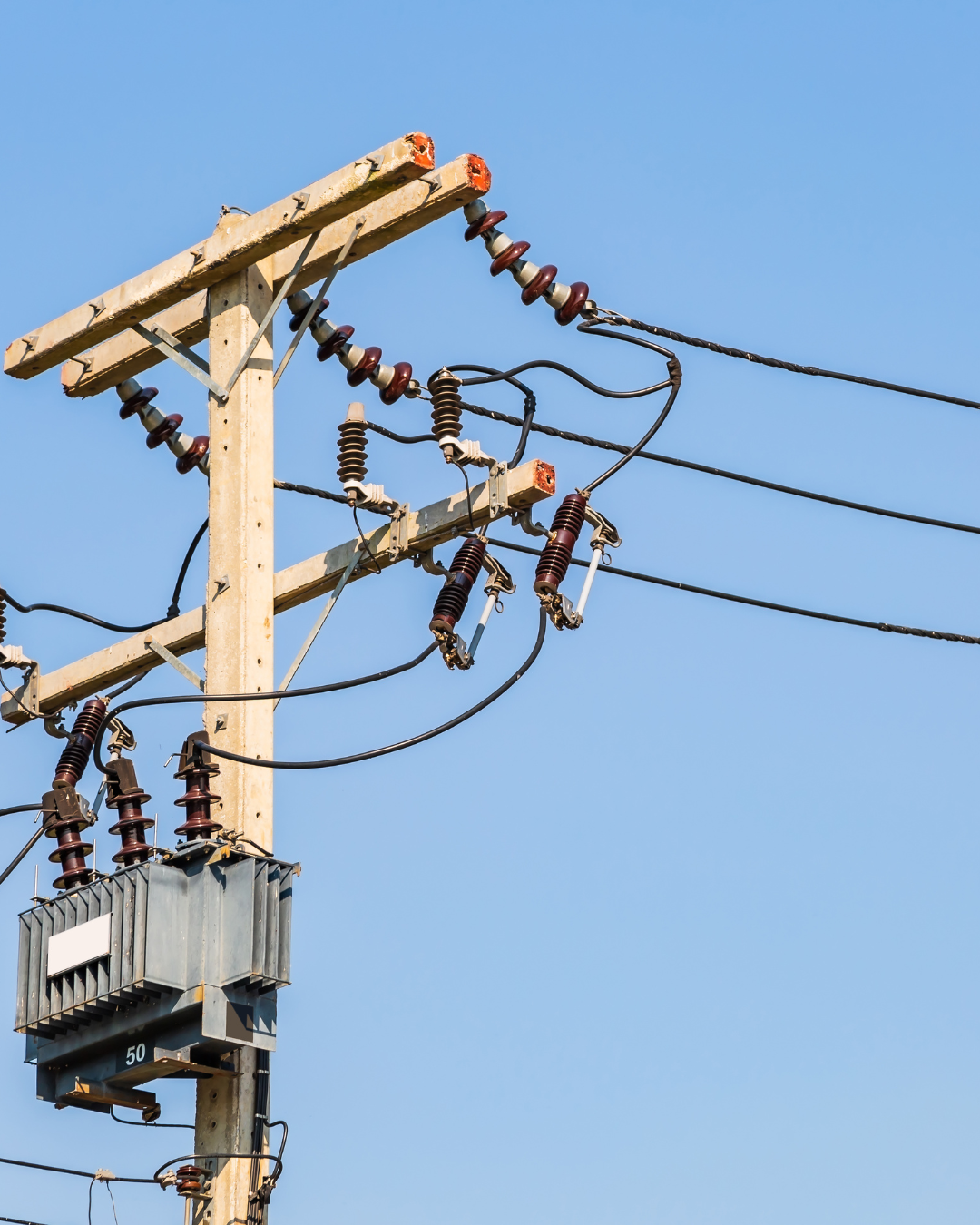
Aerial environments on utility poles
-
Underground installations and utility trenches
-
Indoor facilities housing critical network equipment
Core Skills Every Telecommunications Lineman Should Develop
Success in the field requires a combination of technical knowledge and practical ability. Key competencies include:
-
Physical Stamina: Much of the work takes place outdoors in varying weather conditions.
-
Comfort with Heights: Projects involve climbing poles or working from elevated platforms.
-
Mechanical Aptitude: Technicians regularly work with specialized tools and network components.
-
Technical Literacy: Ability to read technical drawings and construction plans to guide installation.
Professionals entering telecommunications lineman jobs often gain experience with equipment used in network construction. Many fiber optic installers rely on these foundational skills when working with fiber network infrastructure and other telecommunications projects.
Training and Certifications That Can Strengthen Your Career
There are several professional pathways to enter the telecommunications field:
-
Apprenticeships: Combine classroom instruction with practical experience alongside veterans.
-
Technical Schooling: Coursework in telecommunications technology and utility construction.
-
Field Experience: Working with experienced telecommunications contractors provides exposure to equipment and installation practices.
Key Industry Certifications
Certifications can significantly support career development and safety compliance:
-
OSHA 10 & 30: Essential training focused on workplace safety.
-
Certified Fiber Optic Technician (CFOT): Provides specialized knowledge of fiber optic systems.
-
CDL (Commercial Driver’s License): Often required for operating heavy bucket trucks and equipment.
Opportunities for Long-Term Career Growth
A telecommunications career leads to a variety of advancement opportunities. As professionals gain experience, they can transition into:
-
Crew Leadership and Foreman roles
-
Supervisory or Project Management
-
Specialized Technical Coordination for infrastructure projects
Many telecom construction companies value individuals committed to learning. Growing with the right team ensures you remain at the forefront of industry knowledge.
Growing Your Career with Valhalla Industries
At Valhalla Industries, we believe professional development plays an important role in building a successful telecommunications workforce. Our team supports ongoing learning through real-world field experience across aerial fiber, underground utility, and network construction projects. We value safety, technical knowledge, and a strong work ethic.
Those interested in career opportunities can visit our careers page to learn more about available roles and explore open positions at Valhalla Industries.
Frequently Asked Questions (FAQ)
What are the core responsibilities of a telecommunications lineman?
Daily responsibilities include installing cables, inspecting infrastructure, troubleshooting service issues, and supporting network upgrades across aerial and underground environments.
What certifications are needed to start a career in telecom?
Most employers require OSHA 10 or 30 safety training. Specialized roles may require a Certified Fiber Optic Technician (CFOT) designation or a Commercial Driver’s License (CDL).
Is it necessary to have prior experience to find telecommunications lineman jobs?
While experience is beneficial, many entry-level positions are available through apprenticeship programs that combine classroom learning with on-the-job training.