Selecting between fiber and coax splicing depends on your project’s bandwidth, distance, and existing infrastructure. Fiber optic splicing utilizes light signals through glass for high-speed, long-distance transmission, while coax splicing maintains established cable networks for last-mile delivery. Understanding these technical differences is essential for telecom construction companies and project managers aiming to optimize network reliability and scalability.
Fiber Optic Splicing: The Standard for High-Capacity Networks
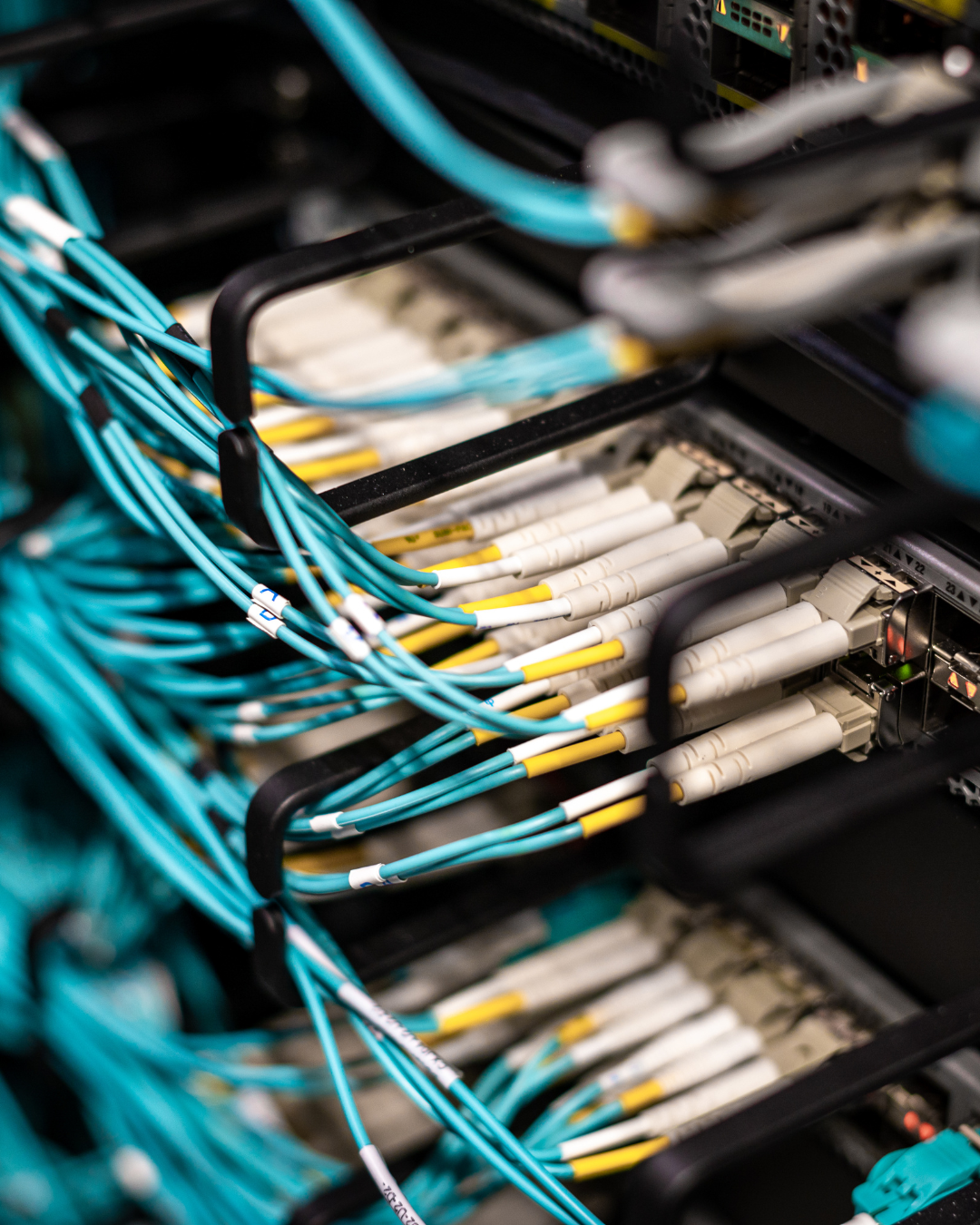
Fiber optic networks transmit data as light pulses through glass strands, offering virtually unlimited bandwidth. To maintain signal integrity, a professional fiber splicing contractor utilizes fusion splicing to permanently join fibers with minimal decibel loss. This precision is critical for OSP construction and large-scale deployments where signal continuity over dozens of miles is required.
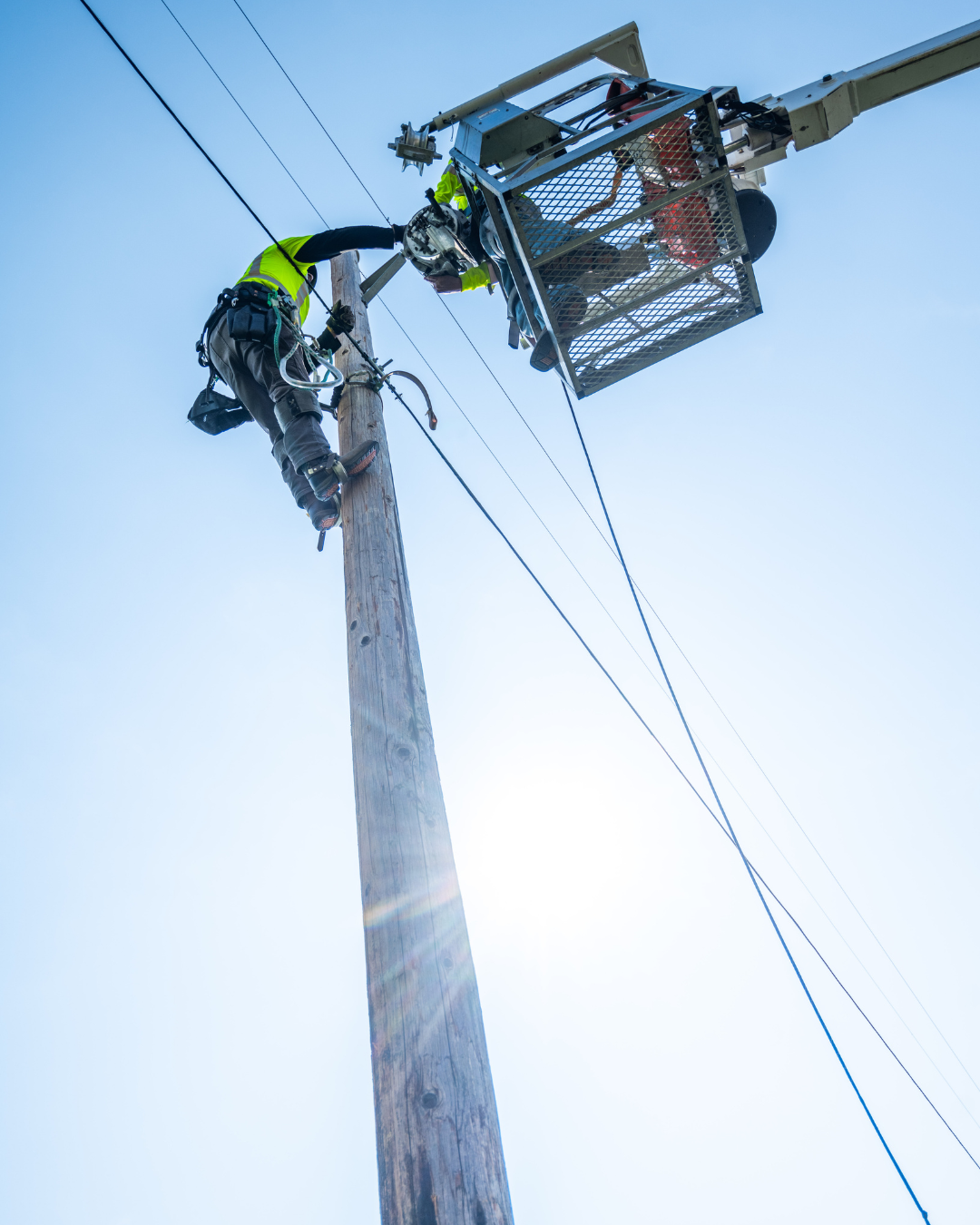
Leading long haul fiber companies prioritize fiber for backbone infrastructure due to its immunity to electromagnetic interference and superior speed. Whether for data centers or aerial fiber optic cable installation, fiber provides the scalability needed for future-proof telecommunications systems.
As businesses transition to cloud-intensive operations, telecommunication engineering companies increasingly specify fiber for its long-term ROI. It remains the preferred medium for networks requiring consistent multi-gigabit performance across enterprise campuses and metropolitan areas.
The Continuing Relevance of Coax Splicing in Modern Infrastructure
While fiber dominates long-haul routes, coaxial cable remains a staple for many broadband and cable TV distribution systems. Professional coax splicing ensures that these copper-based networks continue to provide reliable connectivity for the “last mile” to residential and commercial end-users.
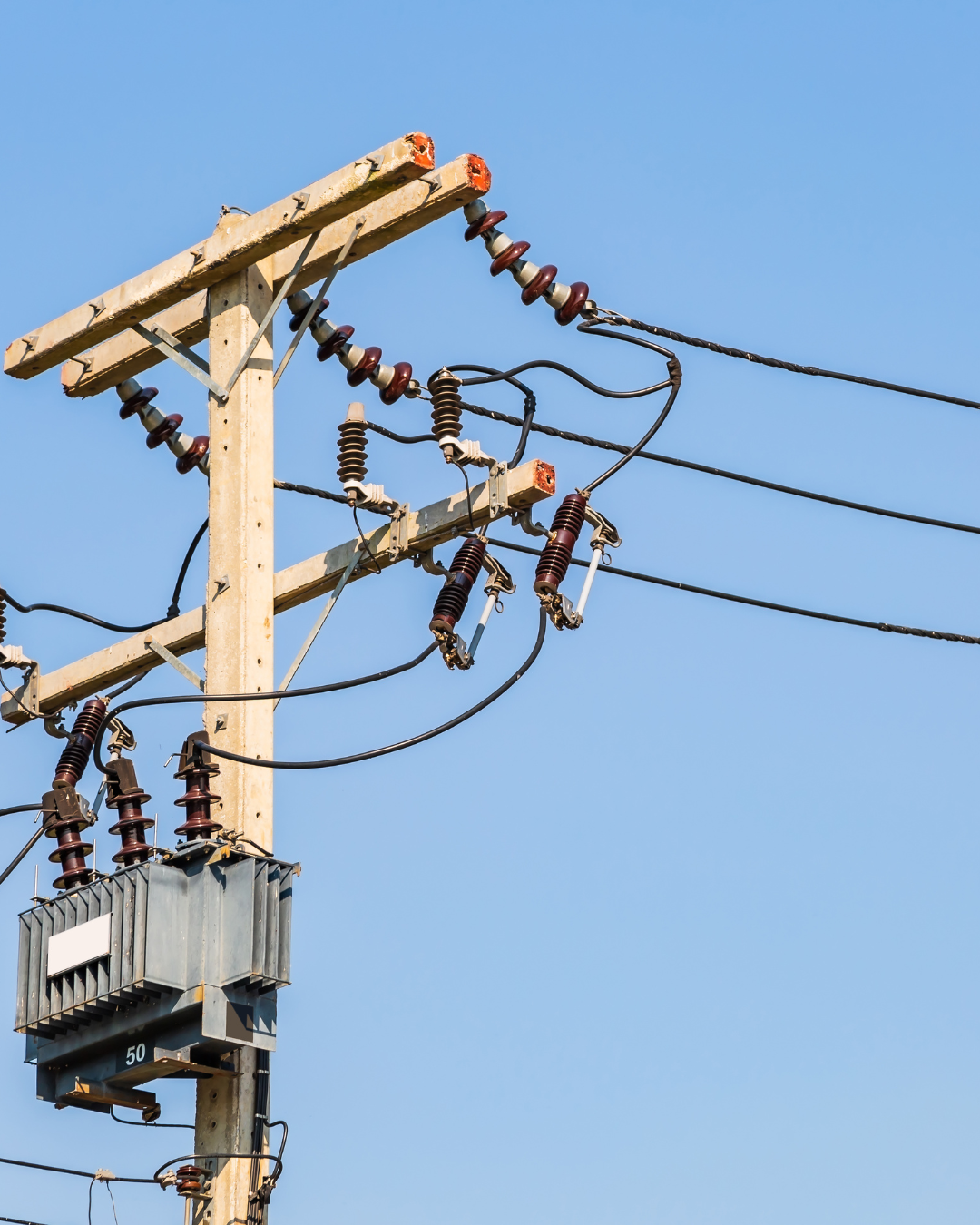
In Hybrid Fiber-Coax (HFC) architectures, coax facilitates the final connection from the local node to the subscriber. Maintenance of these systems requires specialized skills, often creating a demand for those seeking telecommunications lineman jobs to support network repairs and capacity expansions within established urban footprints.
For many organizations, the decision to use coax is driven by the cost-effectiveness of utilizing existing OSP infrastructure. When high-frequency signal quality is maintained through expert splicing, coax remains a durable solution for high-speed internet and broadcast services.
Choosing the Right Path: Fiber vs. Coax Comparison
Deciding between fiber and coax involves assessing your specific bandwidth needs and transmission range. Fiber is unparalleled for speed and distance, whereas coax is often more economical for short-range distribution where infrastructure is already in place. Consulting with OSP construction experts can help clarify the most efficient deployment strategy.
Consider your future expansion plans; while coax is functional today, fiber offers the bandwidth headroom for the next generation of digital services. Budget, speed of deployment, and technical requirements must all be balanced to select the most effective network solution.
Expert fiber optic installers and telecommunications contractors can perform comprehensive site surveys to recommend the technology that best meets your operational goals while minimizing downtime and project costs.
Industry-Leading Splicing Services from Valhalla Industries
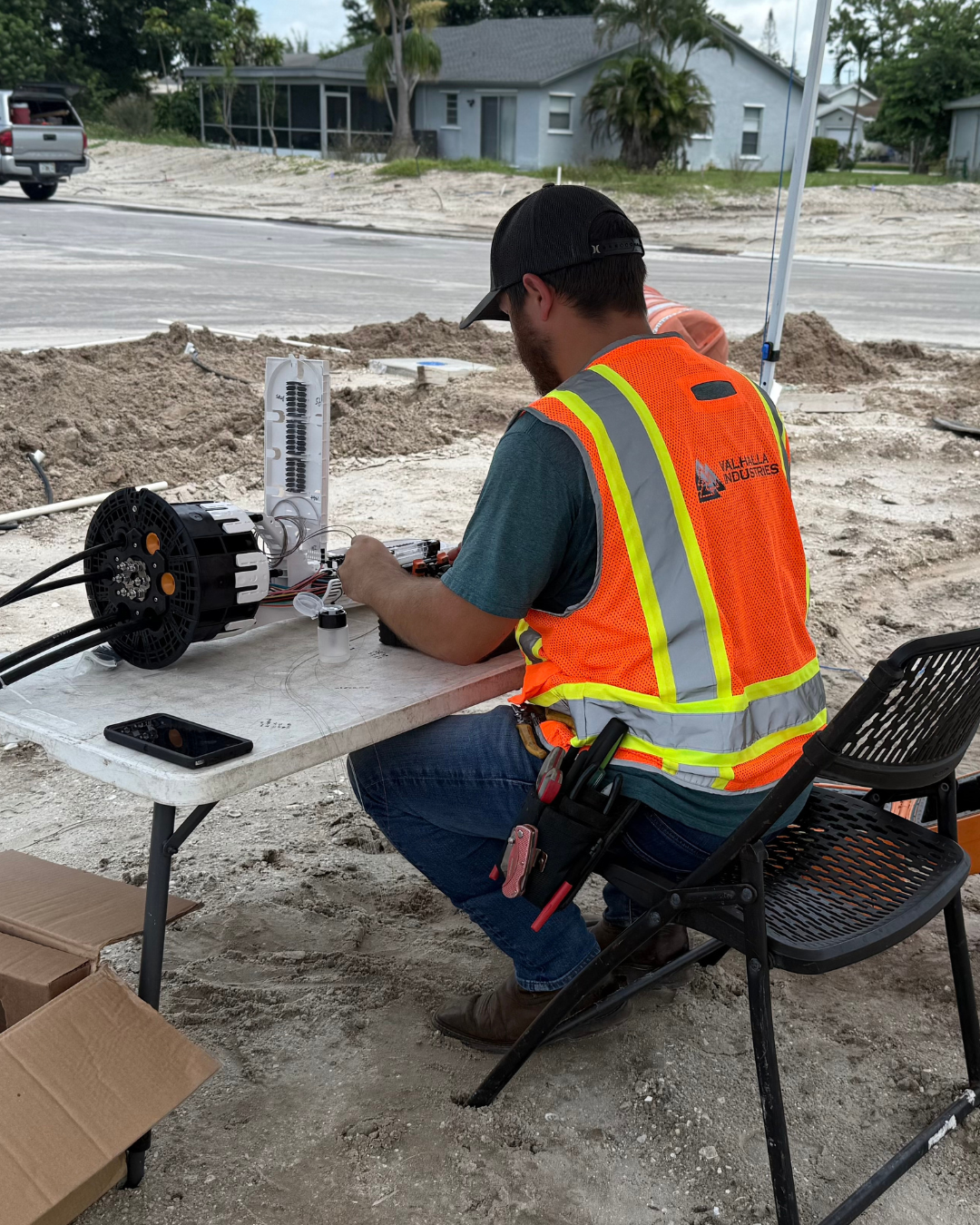
At Valhalla Industries, we specialize in high-precision splicing for both fiber and coax networks. Our technicians utilize advanced fusion machines and testing equipment to ensure every connection meets strict performance standards. From emergency restorations to large-scale new builds, we provide the technical expertise and project management required to keep your network running at peak efficiency.
Contact us today for a professional consultation on your next fiber or coax splicing project.
Frequently Asked Questions
What is the main difference between fiber and coax splicing?
Fiber splicing joins glass strands using light for extremely high-speed data, while coax splicing involves joining copper-based cables that use electrical signals. Fiber is generally faster and covers longer distances without signal loss.
When should a project prioritize fiber over coax?
Fiber should be prioritized for long-haul networks, data centers, and any environment where future-proofing and high bandwidth (1Gbps+) are critical requirements. It is also preferred in areas with high electromagnetic interference.
Is coax splicing still a viable solution for new projects?
Yes, coax remains highly viable for “last-mile” applications in residential areas or within buildings where existing coaxial infrastructure can be leveraged to provide high-speed broadband at a lower deployment cost than a full fiber-to-the-premise build.
How do telecom construction companies ensure splice quality?
Quality is ensured through specialized equipment like fusion splicers for fiber and high-grade connectors for coax, followed by rigorous testing using OTDR (Optical Time Domain Reflectometer) or signal level meters to verify low loss and high performance.